

The Ahmedabad Municipal Corporation (AMC) is converting dung from stray cattle housed at its shelters into biogas and electricity, with plans to scale up the model further across the city.
The initiative is operating at two Karuna Mandirs – the civic body’s stray cattle shelters — located at Bakrol and Danilimda. Municipal Commissioner Banchha Nidhi Pani said the programme forms part of the AMC’s Stray Cattle Nuisance Prevention and Control Policy introduced in 2023, under which stray animals are relocated from city streets to shelters where veterinary staff and caretakers manage their upkeep, The Times of India reported.

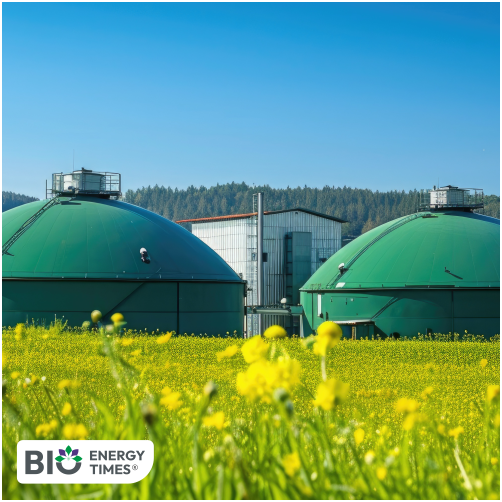
The larger facility at Bakrol spans 50,000 square metres and houses approximately 750 cattle, which together generate around 2,800 kg of dung daily. The AMC has installed two biogas plants at the site, each with a capacity of one tonne. Officials said roughly 1,000 kg of dung is required each day to run the plants, which yield approximately 46 kg of biogas and 35 units of electricity daily. The biogas is used to fuel the shelter’s kitchen, with around 32 workers and their families depending on it for daily cooking needs. The switch has entirely eliminated the need for approximately 27 liquefied petroleum gas (LPG) cylinders each month and saves around Rs 10,350 in electricity costs monthly.
Civic Nuisance Control Department (CNCD) head Naresh Rajput said the project also makes productive use of by-products. The slurry generated from the biogas process is applied as fertiliser for plantation work at the shelter. Dung-based products such as sticks are also manufactured and distributed free of charge to temples for use in religious rituals including Vedic Holi, homa-havan, and Ramroti. This activity has created employment for 13 workers.
A similar setup is operational at the Karuna Mandir in Danilimda, where around 350 cattle produce approximately 1,700 kg of dung daily, which is likewise processed for biogas and electricity generation.
Officials said the AMC is now exploring options to expand the model further, including plans to supplement dung with surplus vegetables from nearby markets to increase biogas output and enhance energy generation at both sites.













