

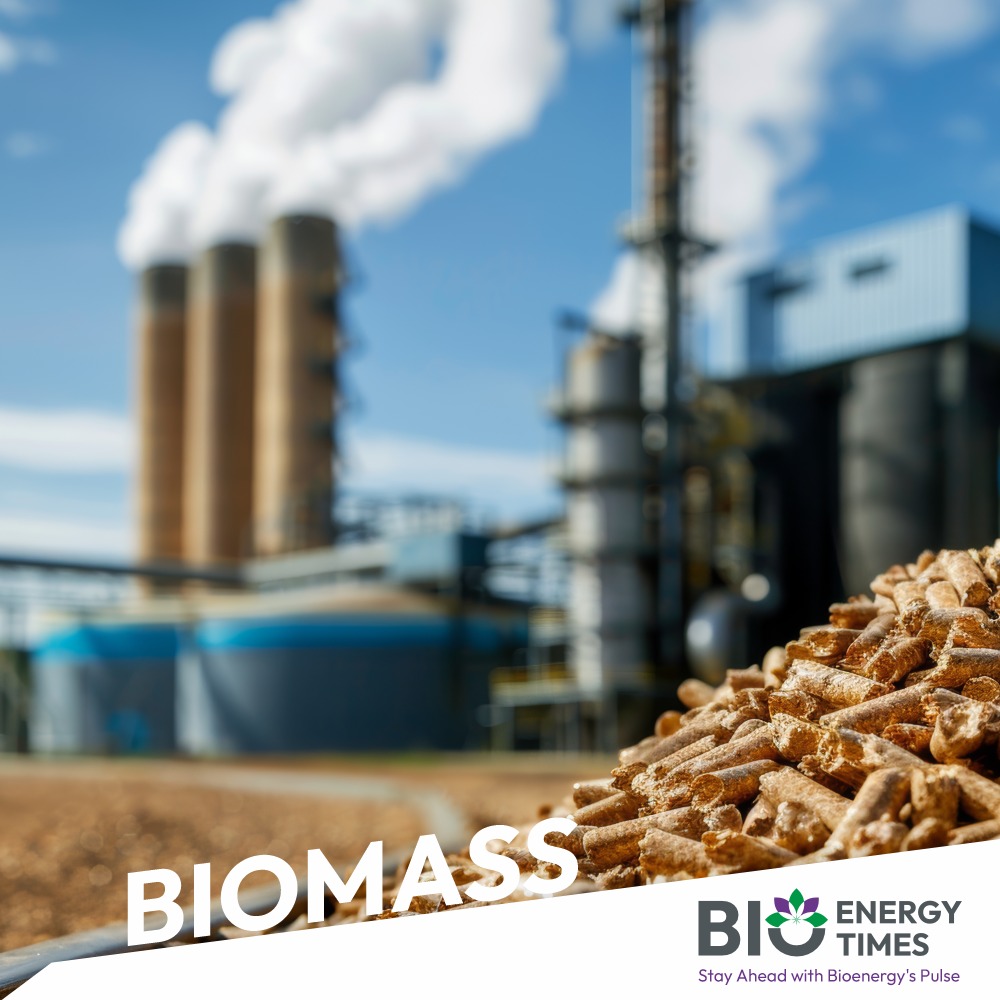
A biomass-based micro combined heat and power (CHP) system designed to provide near energy-autonomous supply to multi-family residential buildings has been successfully validated following the conclusion of the EU-funded Micro-Bio-CHP project, Bioenergy Insight Magazine reported.
The project, coordinated by Austrian energy systems firm Bios Bioenergiesysteme GmbH and funded under the European Union’s Horizon Europe research programme, ran from October 2022 to March 2026. By its conclusion, the system had reached Technology Readiness Level 5 (TRL 5) — a stage that indicates successful validation under application-oriented conditions, short of full commercial deployment.

The system integrates biomass gasification, gas cleaning, a solid oxide fuel cell (SOFC), photovoltaics, and energy storage into a single platform. It is designed to supply both heat and electricity to multi-family buildings, and can also support electromobility applications. The technology was reported to produce near-zero emissions of carbon monoxide, organic gaseous compounds, and dust, with significantly reduced nitrogen oxide (NOx) output.
Germany’s Wuppertal Institute contributed environmental and overall impact assessments to the project and co-organised an international final workshop on March 25, 2026, which was attended online by approximately 50 participants from research, industry, and policy backgrounds.
Thomas Götz, co-head of the research unit on energy policy at the Wuppertal Institute, said the project had demonstrated the potential of combining biomass gasification, fuel cells, photovoltaics, and storage for building energy supply, and called for further testing under real operating conditions as the logical next step.