

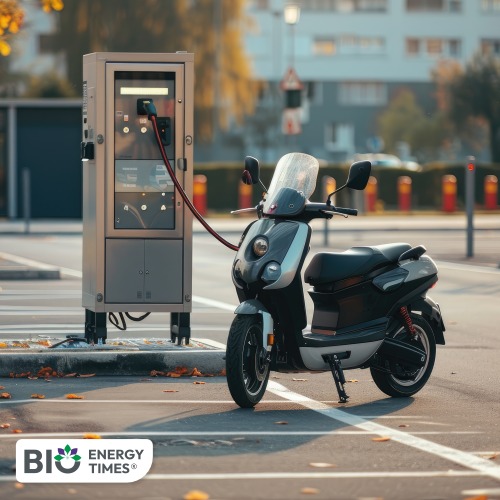
Fuel prices in Kenya are once again placing significant pressure on households, businesses, and particularly bodaboda riders who depend on motorcycles for their daily earnings. As petrol and diesel prices continue to rise, many riders are struggling to keep their operations profitable, prompting growing interest in electric motorcycles as an alternative.
A recent report by Deutsche Welle (DW) highlighted a noticeable shift in Nairobi, where more riders are moving away from petrol-powered motorcycles in favor of electric models powered by locally generated electricity. What was once seen as an experiment is now developing into a broader movement that could transform urban transportation in Kenya and potentially across Africa, tech-ish reported.

For bodaboda riders, fuel expenses are among the biggest factors affecting daily income. With petrol prices increasing, riders say they are finding it difficult to pass the higher costs on to customers, many of whom are unwilling to pay increased fares.
According to the DW report, riders in Nairobi described the growing challenge of balancing customer expectations with the reality of rising fuel costs. Some warned that continued increases could severely affect businesses, as fuel prices influence nearly every part of the economy. Similar concerns have been echoed by riders in Kisumu and Kakamega in recent weeks.
The situation comes amid broader concerns over transport costs in Kenya. Recent fuel price adjustments have led to pressure from matatu operators, prompting government action. President William Ruto directed the Energy and Petroleum Regulatory Authority (EPRA) to lower diesel prices by KES 10 during the June-July pricing cycle in an effort to reduce the burden on transport operators and consumers.
While the reduction in diesel prices may offer temporary relief to matatu operators and logistics businesses, bodaboda riders using petrol-powered motorcycles remain vulnerable to fluctuations in global oil markets.
This growing uncertainty is one of the key reasons electric motorcycles are attracting increasing attention. Unlike petrol-powered bikes, electric motorcycles run on locally generated electricity, reducing dependence on international oil prices, geopolitical tensions, and fuel supply disruptions.
The DW report noted that while petrol-powered riders faced challenges such as fuel shortages and sudden price increases, operators using electric motorcycles were able to continue their work with far fewer disruptions, highlighting the potential of electric mobility as a more stable and cost-effective transport solution.