
Jakarta: Indonesia could produce up to 3.6 billion cubic metres of biogas a year from waste generated by its palm oil industry, but only a small part of the potential is currently being used, according to the Palm Oil Agribusiness Strategic Policy Institute (PASPI).
Palm oil mills generate about 125 million tonnes of palm oil mill effluent (POME) each year. PASPI estimates that each tonne of POME could produce around 28.8 cubic metres of biogas by capturing methane, UkrAgroConsult reported.

However, Indonesia currently uses less than 15% of its potential to produce biogas from POME, leaving a large source of energy largely untapped.
The opportunity is linked to the size of the country’s palm oil industry. Oil palm plantations cover about 16.8 million hectares and produce around 250 million tonnes of fresh fruit bunches each year.
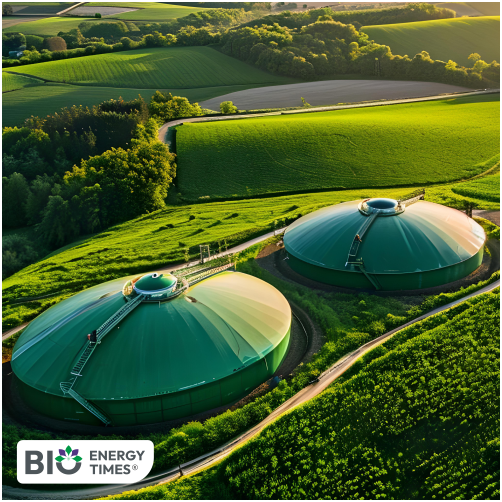
Biogas from POME can be used at palm oil mills to meet their energy needs or generate electricity. After cleaning, the gas can also be converted into biomethane and Bio-CNG for use as a fuel in transport and industry.
Indonesia is already developing projects that use POME to produce Bio-CNG, creating an alternative use for waste from palm oil processing.
PASPI has proposed measures to expand the sector, including making methane capture compulsory at palm oil mills, allowing carbon credits for such projects and requiring biogas to be blended with fossil fuels.Such measures could help Indonesia make greater use of palm oil waste, reduce reliance on conventional fuels and create additional value from a major agricultural industry.