
The United States has significant untapped potential to generate renewable energy from food waste, according to new research released by the Washington-based American Biogas Council (ABC), Waste Today reported.
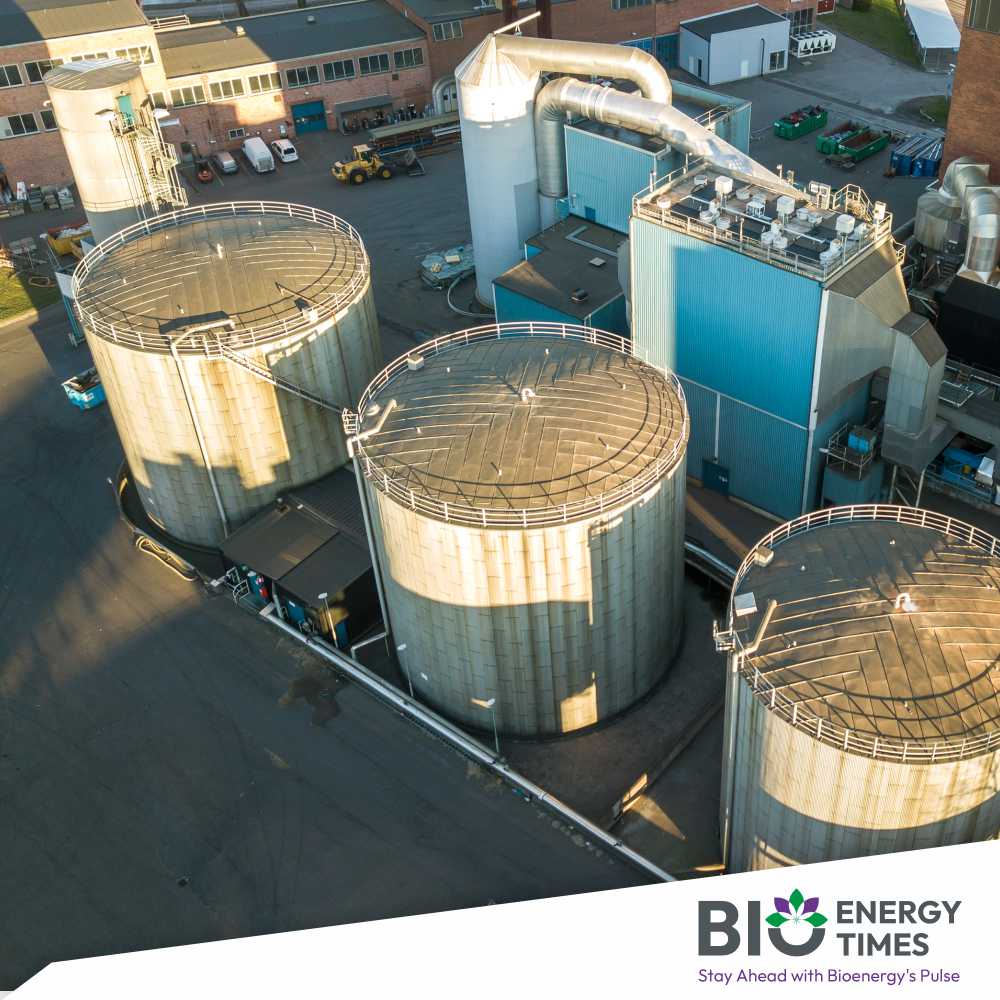
The study identified 404 operating facilities across 48 states that produce biogas from food waste. These facilities convert organic waste into energy by using microorganisms to break down the material and capture the gas released during the process.

The captured biogas is used to generate renewable electricity and heat or processed into renewable natural gas (RNG). This also prevents the gas from escaping into the atmosphere.
According to the ABC, around 200 facilities operate at farms and wastewater treatment plants, where food waste is combined with animal manure or wastewater to produce biogas. Another 204 facilities process food waste alone, generating approximately 36 billion cubic feet of biogas annually. These facilities represent nearly $3 billion in capital investment.
The council said its expanded research identified several projects that were not included in its previous assessment, increasing the number of facilities by 73% compared with last year’s count.
Patrick Serfass, executive director of the ABC, said the US was discarding a substantial amount of food waste that could otherwise be converted into renewable energy to power millions of homes. He noted that the technology was already being used commercially, but significant opportunities remained to expand its application.
Food waste already contributing to renewable energy production
The facilities identified in the research collect food waste from manufacturers, grocery stores, restaurants and other sources. Some process waste generated during food and beverage manufacturing, while others handle products discarded by retailers and consumers because they have spoiled, been rejected or remained unsold.
Of the 204 facilities that process only food waste, 161 handle waste generated before products reach consumers, mainly wastewater from food processing and beverage manufacturing.
The remaining 43 facilities process food waste collected from retailers and consumers. Together, these facilities capture approximately 8.2 billion cubic feet of biogas annually, highlighting the potential to generate renewable energy from discarded food.