

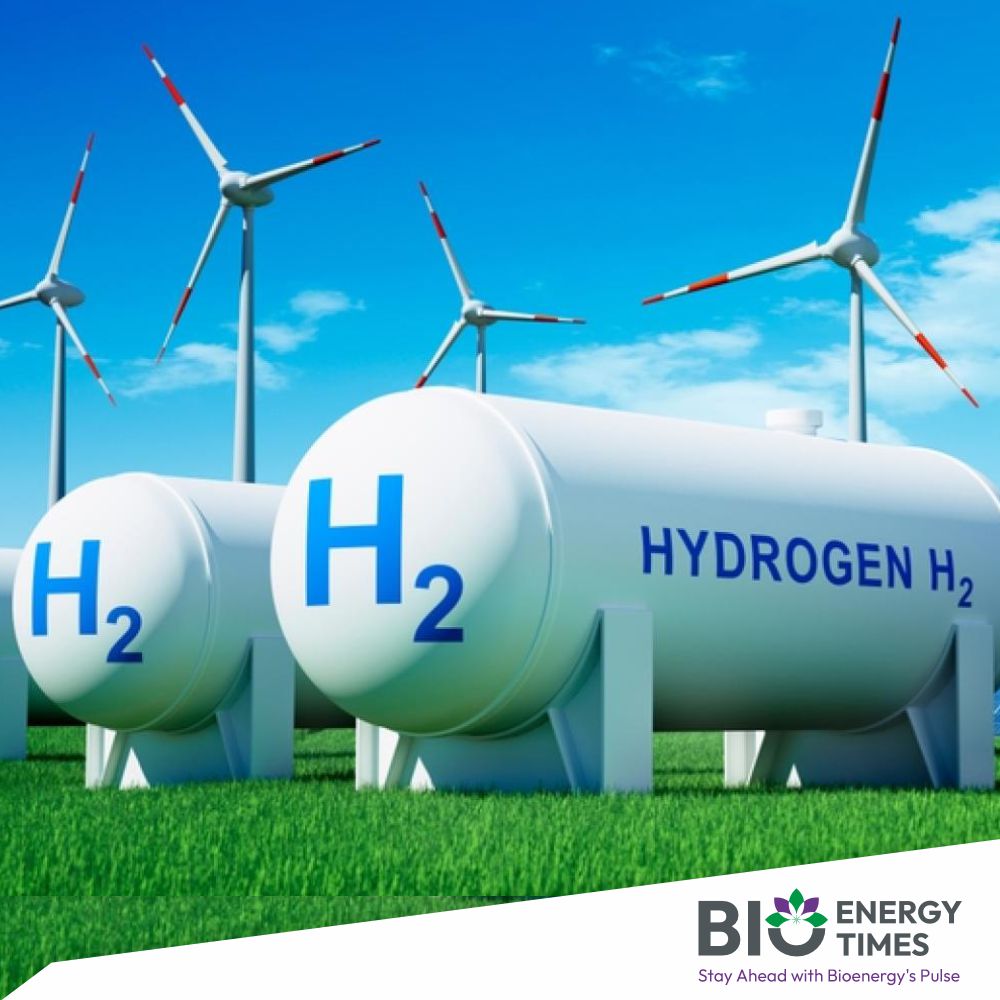
India’s electricity demand is expected to grow significantly by 2035, with consumption by data centres and green hydrogen production alone projected to rise nearly ninefold to around 240 terawatt-hours (TWh), reported The Economic Times, citing S&P Global.
Electricity demand is projected to grow at an annual rate of 5.56% between 2025 and 2035, compared with 2.47% for overall energy demand. Consequently, electricity’s share in India’s total energy consumption is expected to increase to nearly 25% by 2035 from around 19% in 2025, the ratings agency said.

The combined electricity consumption of data centres and green hydrogen production is projected to increase nearly ninefold to around 240 terawatt-hours (TWh) by 2035, making them significant sources of additional demand.
The shift towards electricity is already visible, with electric vehicles reducing dependence on fossil fuels. The trend is expected to gather pace as industries increasingly adopt electricity and green hydrogen in their production processes.
Industrial expansion, higher household incomes, greater ownership of electrical appliances and rising cooling requirements are also expected to support growth in power consumption.
While the electricity grid will remain the main source of supply, distributed generation is expected to account for a larger share of electricity consumption. Its contribution could rise to around 16% by 2035 from approximately 13% in 2025, S&P Global said.
The agency warned that rising consumption and less predictable demand patterns would place additional pressure on India’s power infrastructure. Meeting future requirements would call for a diversified energy mix, stronger transmission and distribution networks, greater storage capacity and more flexible generation and electricity market arrangements.
S&P Global also noted that India had achieved its 2030 Nationally Determined Contribution (NDC) target of 50% cumulative installed power capacity from non-fossil fuel sources ahead of schedule. The country has set a higher target of 60% for 2035.
However, the agency cautioned that achieving capacity targets ahead of schedule would shift the focus towards ensuring that the power system can reliably integrate and deliver electricity from these sources.