

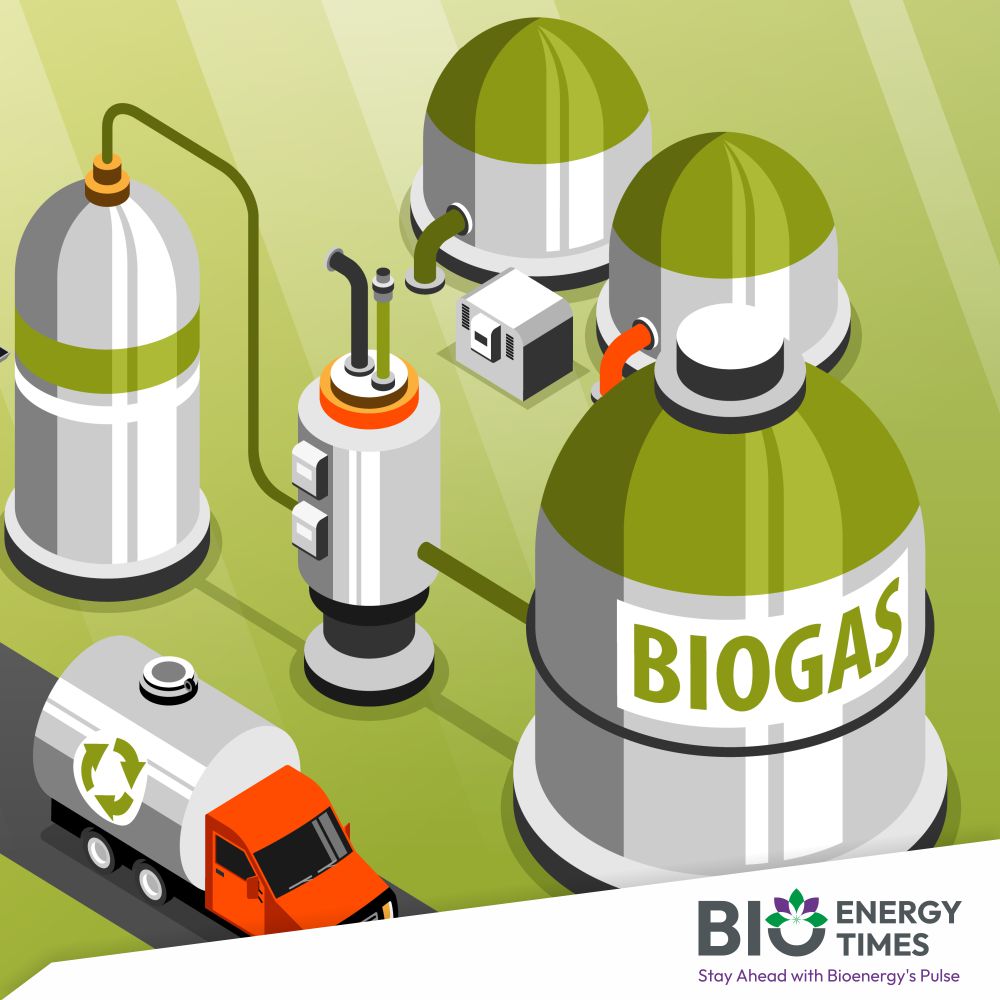
The Punjab Cabinet has approved the award of a compressed biogas (CBG) project at Samgauli in Dera Bassi, Mohali, to HPCL Renewable and Green Energy Limited (HPRGE) on a nomination basis. The proposed facility will process around 300 tonnes of segregated wet waste daily and convert it into compressed biogas and organic manure, The Economic Times reported.
According to a report by Hindustan Times, the plant will receive wet waste from nine urban local bodies, including Mohali, Zirakpur, Kharar, Nayagaon, Dera Bassi, Kurali, Lalru, Banur and Gharuan. It will also use 15–20 tonnes of cattle dung daily as an additional feedstock.

The project is expected to address Mohali’s growing solid waste management challenges while promoting waste-based renewable energy production. The city generates around 100 tonnes of waste every day, including approximately 40 tonnes of wet waste. Waste disposal has become more challenging following the closure of the Phase 8-B dumping ground and operational pressure on existing processing facilities.
The project, which had remained pending for more than a decade, faced delays over land arrangements, road connectivity and difficulties in securing suitable bidders. The proposed Samgauli facility will require a steady supply of segregated wet waste, statutory clearances and supporting infrastructure to ensure uninterrupted operations.
The Mohali Municipal Corporation will remain a key stakeholder, while HPRGE will be responsible for establishing the plant. The civic body had earlier proposed allocating 15–20 acres from its 39-acre land parcel at Samgauli for the project. The municipal corporation House approved the land allotment in August.
The proposed CBG facility is also part of a broader waste-management improvement programme in Mohali. The municipal corporation has earmarked ₹6 crore for a solid waste processing plant at Samgauli under a wider ₹21-crore overhaul. The proposed infrastructure includes sheds and boundary walls for waste segregation and processing.
Once operational, the facility is expected to reduce the volume of wet waste sent to landfills, generate compressed biogas as a renewable fuel and produce organic manure for agricultural and landscaping applications. However, timely infrastructure development, effective waste segregation and a reliable feedstock supply will remain critical to the project’s implementation.