
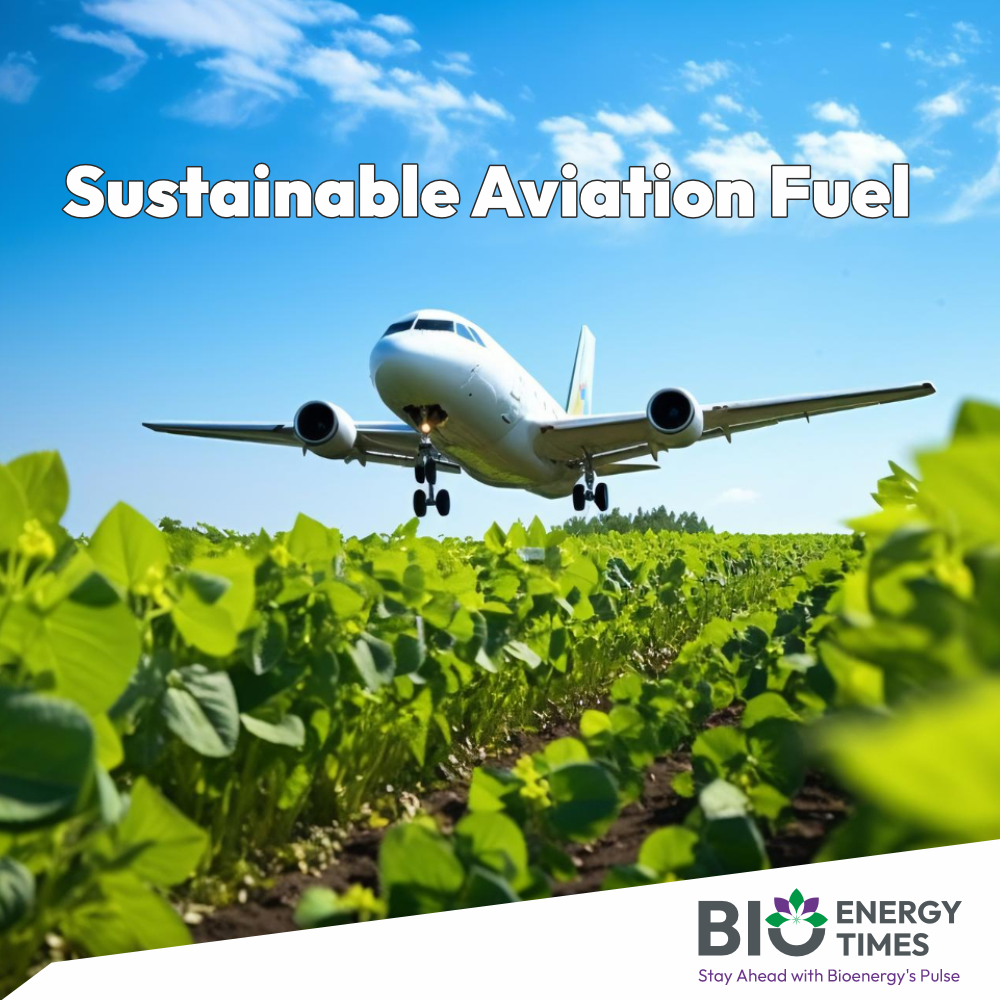
Singapore Airlines (SIA) has signed an agreement to purchase up to 4,800 tonnes of next-generation sustainable aviation fuel (SAF) from Aether Beacon Pte Ltd over three years, with deliveries scheduled to begin in 2028, Future Travel Experience reported.
The agreement makes SIA the first airline to purchase SAF from Project Beacon, Aether’s commercial production facility being developed at Aster’s refining complex on Pulau Bukom in Singapore. It is also the airline’s first purchase of SAF produced using technology that converts waste carbon feedstocks into aviation fuel.
Project Beacon will use feedstocks such as biomethane and industrial waste gases to produce SAF through Aether’s proprietary Aurora technology. The process offers an alternative to the hydroprocessed esters and fatty acids (HEFA) pathway, which depends on lipid-based feedstocks such as oils and fats.
Aether’s technology builds on the Fischer-Tropsch process to convert waste-derived gases into liquid aviation fuel. The SAF produced at the facility will be certified under the Carbon Offsetting and Reduction Scheme for International Aviation (CORSIA).
Aether plans to start operations at its first large-scale commercial plant by 2031. The facility is expected to have a production capacity at least 10 times greater than Project Beacon as the company expands its next-generation SAF production.
Lee Wen Fen, Chief Sustainability Officer of Singapore Airlines, said securing future SAF supplies and supporting the development of the fuel were important to the airline’s goal of achieving net-zero carbon emissions by 2050.
She said SIA’s purchase from Project Beacon demonstrated demand for new, lower-carbon fuel production pathways in Singapore. The airline would continue working with partners globally to expand SAF production and support the transition towards more sustainable air travel.
Conor Madigan, co-founder and CEO of Aether Fuels, said the company had selected Singapore for its first commercial facility after signing a memorandum of understanding with SIA last year. Since then, it has developed partnerships across the local value chain.
He said Singapore’s refining and aviation infrastructure, investment support, sustainability policies and position as a global aviation hub provided a strong base for developing the SAF industry.
Madigan said the agreement represented a significant step towards securing demand for new SAF production technologies and creating the conditions needed to expand their commercial use.