
Türkiye launched the Biogas Declaration at the United Nations Climate Change Conference (COP31), calling for increased international cooperation to support the sustainable production and use of biogas and biomethane. The initiative seeks to contribute to greenhouse gas emissions reduction, energy security, improved organic waste management and rural development, according to a press release.
The Declaration was presented by Dr. Bilal Düzgün, Head of the Department of Energy Efficiency and Environment at the Ministry of Energy and Natural Resources of Türkiye, during a session at the Türkiye Pavilion at COP31 , together with . Representatives of UNECE, Sedigas and the European Biogas Association (EBA).

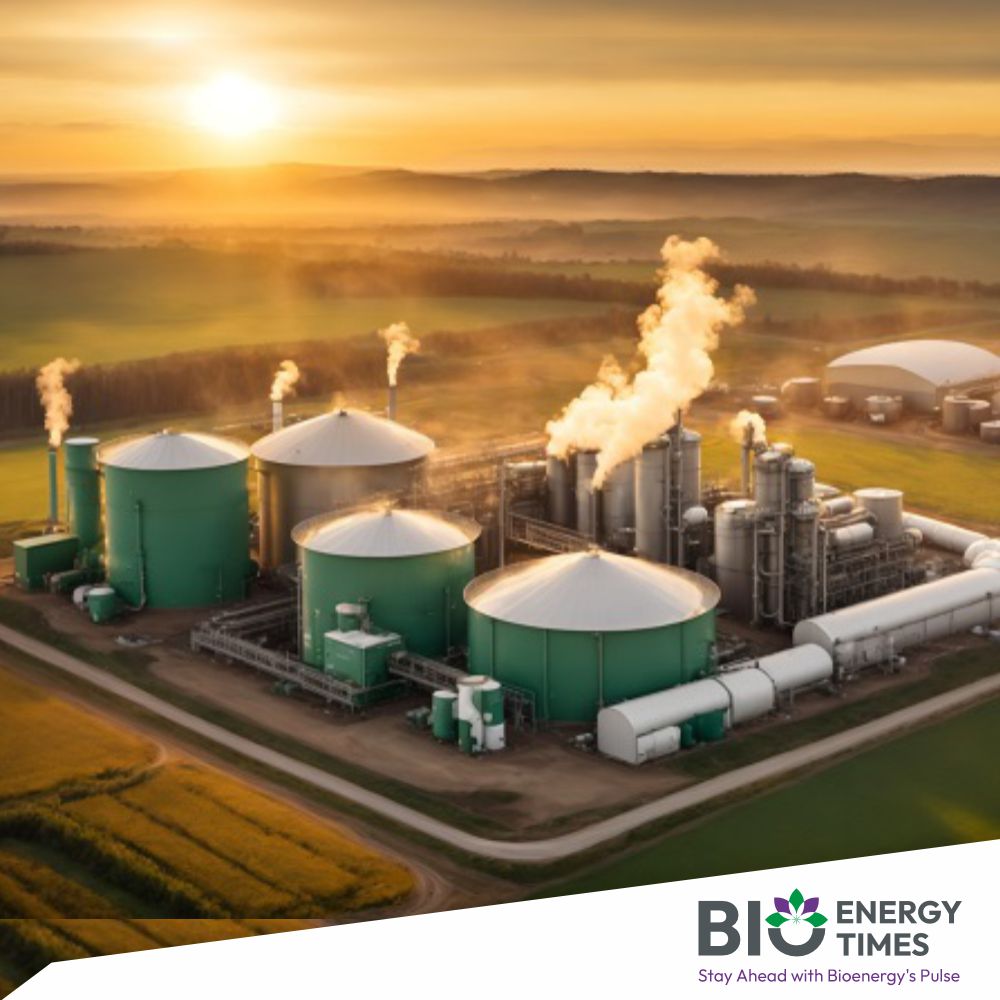
Open to endorsement by national governments, the Declaration sets out areas for action to increase the deployment of biogas and biomethane. These renewable gases can be produced from organic waste and other feedstocks and, when developed sustainably, can help reduce reliance on fossil fuels. Biogas systems can also provide electricity and heat and produce materials such as organic fertilisers.
According to the International Energy Agency’s Outlook for Biogas and Biomethane , the sustainable global production potential of biogases could reach nearly 1,400 billion cubic metres equivalent by 2050, an amount corresponding to around 25% of current global natural gas demand. The report estimates that 80% of this potential is in emerging markets.
The Declaration recognises that realising this potential will require policies and investment adapted to national circumstances. Its priorities include stimulating demand, improving access to international finance, facilitating integration into gas and transport markets, strengthening emissions mitigation, and developing common methodologies and certification systems.
It also draws attention to opportunities in rural areas, where biogas production can link renewable energy generation with organic waste treatment, nutrient recycling and agricultural activities. Environmental benefits depend on appropriate feedstocks, operating practices and emissions management.
The Declaration will remain open for further endorsements after COP31. The UNECE Group of Experts on Gas will support follow-up engagement with governments and other stakeholders. Endorsing countries are expected to reconvene at COP32 to review progress.