
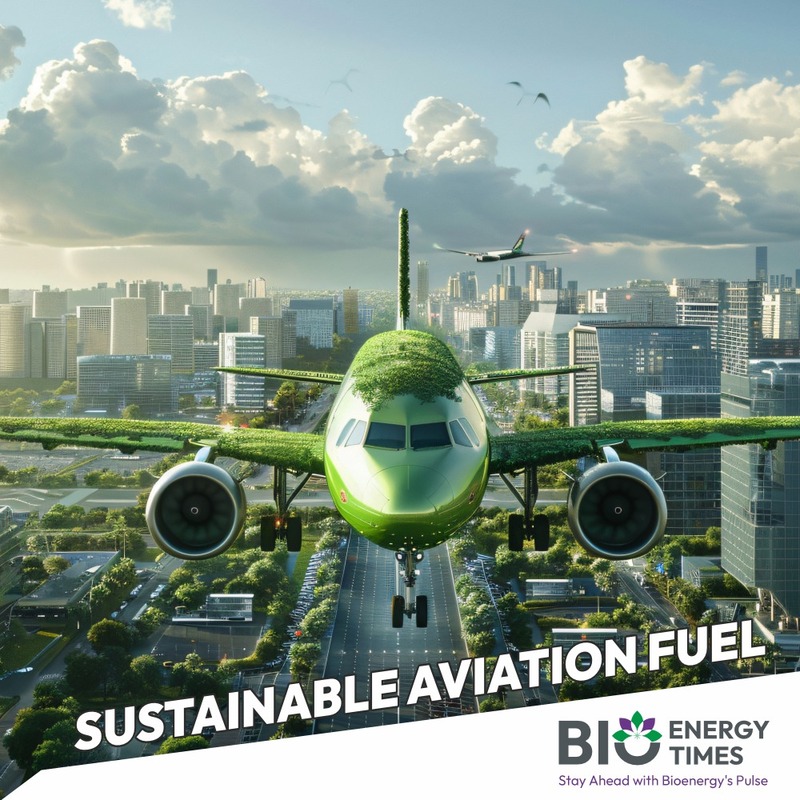
Vietnam is positioning itself as a potential hub for sustainable aviation fuel (SAF) in Southeast Asia, supported by strong biomass availability, expanding industrial capacity and its strategic location in the region. SGGP reported that experts see significant scope for growth if timely policy support and investments are put in place.
The outlook was discussed at the Innovation and Policy Summit Vietnam 2026 held in Da Nang City, which brought together industry stakeholders, policymakers and experts to examine the country’s SAF potential. The event was co-hosted by the Asia Sustainable Aviation Fuel Association, the Da Nang Innovation Startup Support Center, Star Consulting and Veritas Consulting, Saigon News reported.

Speaking at the forum, Fabrice Espinosa, founder and chief executive officer of the Asia Sustainable Aviation Fuel Association, said Vietnam has the capacity to build a competitive SAF ecosystem due to its resource base and industrial strengths. He indicated that early entry into the market would be important, as global supply chains and investments are already taking shape.
Participants noted that beyond reducing carbon emissions, SAF could also help improve energy security and reduce dependence on imported fuels. Estimates shared during the discussions suggested that if ASEAN countries achieve a 5 per cent SAF usage rate by 2030, the regional market could reach around $25 billion annually.
According to the report, Vietnam has favourable conditions for SAF production, including feedstock from agricultural residues, used cooking oil and industrial by-products, along with a growing energy and refining sector. The country has already taken initial steps such as conducting test flights using SAF, introducing national standards and participating in international emission reduction initiatives.
The forum also outlined policy measures to accelerate growth, including financial and tax incentives for investors, closer collaboration among airlines, energy companies and raw material suppliers, and stronger international cooperation for technology transfer and carbon market development.
Stakeholders said that with the right policy framework and investment support, Vietnam could strengthen its position in the global SAF market while advancing its broader goals of sustainable development and energy transition.