

Taiwan is expanding efforts to convert agricultural waste into useful products and energy as part of its drive to reduce greenhouse gas emissions, with initiatives so far generating NT$150 million (US$4.7 million) in output, according to the Ministry of Agriculture, Taiwan News reported.
The government’s push for net-zero agriculture began in 2022 with a strategy aimed at reducing emissions by 2040. Since then, the programme has supported the development of 49 products using agricultural waste, Agriculture Minister Chen Junne-jih said.

The initiative has attracted 19 companies, which have collectively invested NT$320 million in developing new uses for materials that would otherwise be discarded.
One such application has emerged in Tainan, where a textile company has developed yarn using discarded oyster shells. The company has also combined oyster shell powder with recycled plastic bottles to manufacture functional fibres.
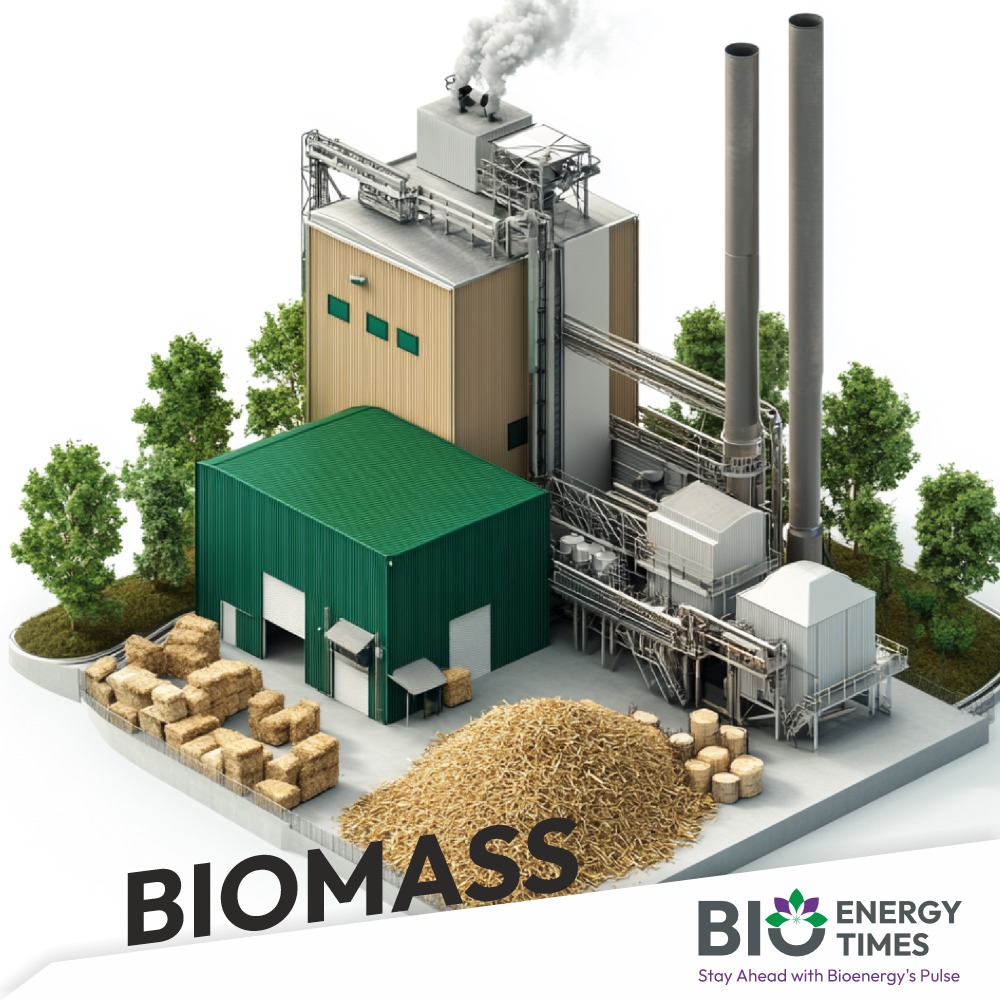
Agricultural residues are also being used as an energy source. A dried longan farm in Tainan processes pruned branches and other dry wood from its property into biomass pellets, which are subsequently burned to provide the heat needed to dry longan.
Chen said achieving lower agricultural emissions would require measures beyond reducing energy consumption. Changes in farming and livestock practices would also be necessary, including efforts to cut methane emissions from rice cultivation and livestock manure and nitrous oxide emissions associated with fertiliser use.
Farmers have increasingly relied on nitrogen fertilisers to improve crop yields. However, excess nitrogen can be released as nitrous oxide, a greenhouse gas capable of trapping nearly 300 times more heat than carbon dioxide, according to the Agricultural Technology Research Institute.
Taiwan’s agriculture sector emitted approximately 6.5 billion kilograms of carbon dioxide equivalent in 2024, representing about 2.38% of the country’s total emissions. The figure covers emissions from crop production, livestock, forestry and fisheries, according to the Climate Change Administration.