

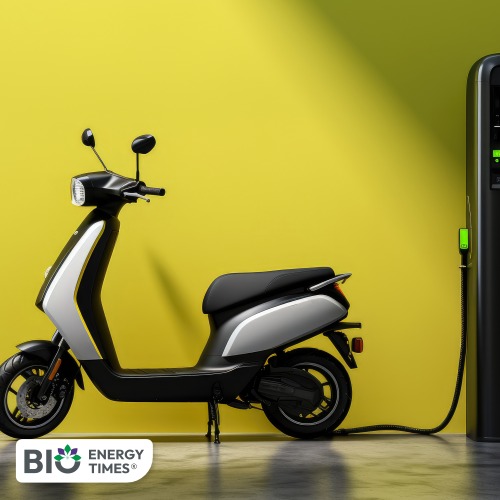
Kenya’s electric mobility sector is gaining momentum, with electricity consumption by electric vehicles and motorcycles rising sharply in the second half of 2025, according to data from the Energy and Petroleum Regulatory Authority (EPRA), Vellum reported.
Electricity consumption in the e-mobility category increased 152.49% year on year to 4.57 GWh between July and December 2025, compared with 1.81 GWh during the same period a year earlier.

Although e-mobility accounted for only 0.08% of Kenya’s total electricity consumption, up from 0.03% in the previous six-month period, it recorded the fastest growth among all customer categories tracked by EPRA.
The increase comes as Kenya introduces electricity pricing measures aimed at making electric transport more competitive. EPRA’s dedicated electric mobility tariff stood at KSh16 per kWh in June and December 2025. The tariff has no demand charge and applies across voltage levels for consumption between 200 kWh and 15,000 kWh.
Electric mobility operators can also access Kenya Power’s Time of Use (ToU) tariff, which provides a 50% discount on energy charges during off-peak periods. These generally run from 10 pm to 6 am on weekdays, with longer off-peak periods during weekends and public holidays.
The lower overnight rates could encourage electric bus and motorcycle operators to charge their fleets when grid demand is lower.
Across all customers using the ToU tariff, electricity savings reached KSh971 million during the six-month period. Electricity sold under the tariff increased from 84.9 GWh to 148 GWh year on year. EPRA, however, has not provided a separate breakdown of savings attributable to e-mobility users.
Renewable power supports e-mobility
Kenya’s relatively high share of renewable electricity provides an additional advantage for electric transport. Renewable sources accounted for 78.79% of total electricity generation during the period, with geothermal power contributing 40.06%.
However, EPRA reported a 17.56% increase in the grid emission factor, largely due to a 24.27% rise in thermal power generation used to meet higher electricity demand during daytime and evening hours.
Despite the increase in thermal generation, the country’s predominantly renewable electricity mix means electric transport has the potential to deliver greater emissions benefits as Kenya continues to expand renewable generation.
Data gaps remain
E-mobility remains a small part of Kenya’s overall electricity market. Its 4.57 GWh consumption compares with almost 5,938 GWh of total electricity consumption during the six months.
EPRA’s report does not provide data on the number of electric vehicles and motorcycles operating in Kenya, the size of the public charging network or the number of active charging stations. It also does not distinguish between electric motorcycles, cars, buses, private vehicles and commercial fleets.
As a result, it remains unclear whether the sharp increase is being driven primarily by electric boda bodas, commercial fleets, buses or private vehicle owners.
The continued expansion of Kenya’s electric mobility sector will depend on factors including vehicle costs, access to financing, charging infrastructure and investment in commercial electric fleets.
The latest figures nevertheless indicate that electric mobility is moving beyond small-scale pilot projects, with electricity demand from the sector increasing rapidly and becoming an emerging component of Kenya’s transport and energy transition.