
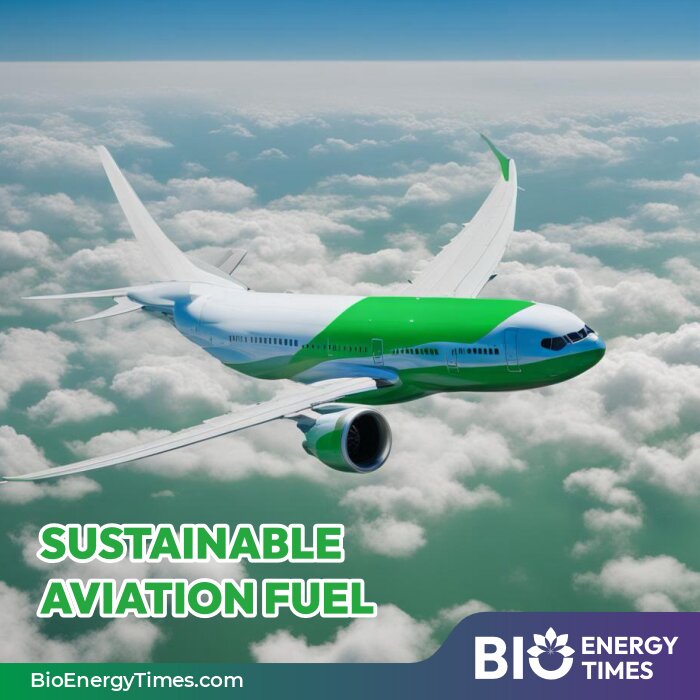
Electric aircraft are making progress, particularly for short regional routes, but batteries are unlikely to replace liquid fuels across the aviation sector. Long-distance flights require large amounts of energy while keeping aircraft weight low, leaving sustainable aviation fuels (SAF) as an important option for reducing aviation emissions, Oil Price reported.
Germany is now preparing a €2-billion programme aimed at helping develop and scale synthetic sustainable aviation fuel (eSAF), with the goal of addressing one of the biggest challenges facing the technology – its high cost.

The price difference is substantial. According to the European Union Aviation Safety Agency’s (EASA) 2025 reference prices, synthetic aviation fuel cost about €7,520 per tonne on average, compared with around €640 per tonne for conventional jet fuel. This means synthetic fuel currently costs nearly 12 times more than the fuel it is intended to replace.
The German scheme is designed not to assume that eSAF is already competitive, but to encourage producers to compete in reducing the cost gap.
Europe has projects, but limited investment
Europe has several proposed eSAF projects, but few have reached the stage needed to secure major investment.
Transport & Environment has identified 41 large-scale European projects with a potential combined annual production capacity of nearly 3 million tonnes. However, only four are considered advanced, and none has yet reached a final investment decision (FID).
Individual eSAF plants can require investment of €1 billion to €2 billion, making long-term commitments from buyers important for securing financing.
Synthetic aviation fuel is produced by using renewable electricity to make hydrogen through electrolysis. The hydrogen is then combined with sustainable carbon dioxide and converted into synthetic hydrocarbons.
The resulting fuel can be used in existing aircraft and can move through existing fuel storage and airport infrastructure. However, establishing a commercially viable market remains difficult.
Producers need long-term contracts, often lasting about a decade, to secure financing for large plants. Airlines and fuel distributors, meanwhile, may be reluctant to commit to buying fuel at current prices for such a long period because production costs, regulations and competing fuel technologies are likely to change.
This has created a difficult cycle for the industry. Producers need to build large plants to bring costs down, but securing financing for those plants depends on having buyers willing to commit before the technology becomes cheaper.
Germany’s proposed €2-billion programme is intended to help address this gap by supporting the development of a market in which eSAF producers compete to reduce costs.