

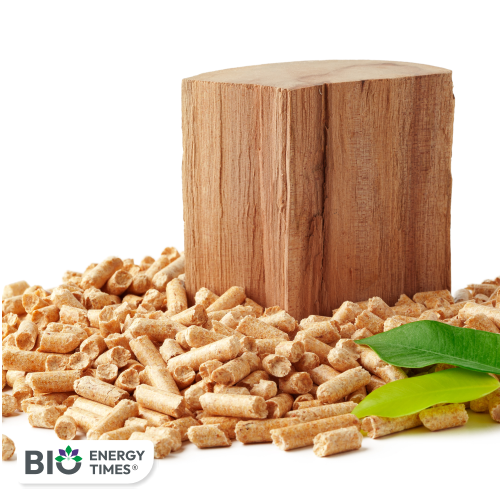
The global lignocellulosic biomass market is projected to more than double to about $10.53 billion by 2036 from $4.97 billion in 2026, with China and the US emerging as the leading growth markets, according to a report by Open PR, citing Future Market Insights.
The market, valued at $4.61 billion in 2025, is expected to expand at a compound annual growth rate of 7.8% between 2026 and 2036. Growth is being driven by renewable energy mandates, efforts to cut carbon emissions and the development of advanced biofuels, as well as rising demand for lignocellulosic feedstocks in bio-based chemicals and materials.

China leads with a projected growth of 6.5% CAGR during the 2026 to 2036 period, supported by ambitious renewable energy targets, expansion of biomass power generation and programmes promoting the use of forestry residues.
The US is expected to register a 5% CAGR over the same period, with renewable energy policies, established biomass supply chains and advanced biofuel development supporting market expansion.
The other major economies were Brazil, with a CAGR of 4.5% through 2036, followed by Canada at 4% and Germany at 3.5%.
The segment analysis showed that wood was the largest feedstock source, accounting for 38% of demand in 2026. Bioenergy production accounted for 15% of application demand, while chipped biomass represented 30.7% of demand by form. The energy and power sector is expected to account for 36.1% of end-use industry demand in 2026, with biomass-based power generation and co-firing remaining major outlets for lignocellulosic feedstocks.
The market is also expanding beyond conventional biomass combustion. Cellulosic ethanol, biomass-to-liquid fuels, gasification, pyrolysis and biochemical processing are creating new applications and increasing the potential value of lignocellulosic feedstocks.
However, supply-chain economics remain an important constraint. Lignocellulosic biomass has a lower energy density than fossil fuels, meaning that transporting feedstock over long distances can significantly increase costs. Efficient collection, processing, storage and distribution systems are therefore important to the commercial viability of biomass projects.
The development of bio-based chemicals, materials and advanced fuels could help create higher-value markets capable of supporting premium feedstock prices. Companies with reliable access to biomass, consistent processing quality and locations close to conversion facilities could benefit from these emerging applications.
Competition across the sector is expected to centre on access to feedstock, supply-chain scale, conversion technology, geographic reach, production capabilities and established biomass procurement networks.













