A new chain of rice processing plants and a biomass fuel supply centre is being developed in Dong Hiep Commune in Vietnam’s Can Tho City, with the project aimed at improving farmers’ incomes, promoting low-emission rice production and turning agricultural by-products into valuable resources, CanTho reported.
The initiative seeks to establish a more integrated and sustainable rice value chain in the Mekong Delta, Vietnam’s major rice-producing region. The region produces more than 24 million tonnes of paddy and exports around seven million tonnes of rice annually. However, farmers and businesses continue to face challenges, including weak supply chain integration, inconsistent product quality, high post-harvest losses and the underuse of rice processing by-products.

Nguyen Minh Tuan, director of Green CT Joint Stock Company, based in Dong Hiep Commune, said the company wanted to ensure that rice production created greater value for businesses while improving farmers’ livelihoods and benefiting the local community.
He said Green CT was working towards a closed-loop value chain connecting farmers, cooperatives and companies involved in procurement, processing and rice exports.
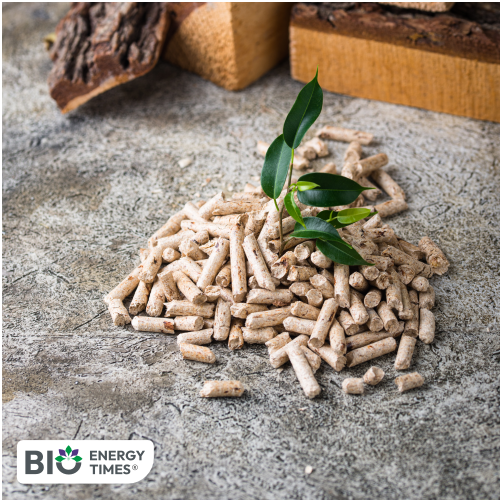
Under this model, paddy will be procured and processed into higher-value rice for export markets. Rice husk, which has traditionally been treated as a low-value by-product, will also be recovered and used as a resource for biomass energy production.
Tuan said the company’s long-term partnership with Japan’s EREX would enable rice husk generated after milling to be used as fuel for biomass power generation. He described the approach as a way to produce clean energy, increase the value of agricultural resources, create employment, reduce emissions and promote a circular economy in Can Tho and the wider Mekong Delta.
Integrating rice processing with biomass energy
According to Can Tho City’s Department of Agriculture and Environment, the city is working to expand clean and renewable energy development and strengthen its position as a regional energy hub.
The department noted that establishing a biomass power plant and adopting advanced technology were not sufficient on their own to ensure sustainable operations. Such facilities also require a reliable supply of fuel throughout the year, with consistent volumes, quality and prices.
The city is therefore encouraging investment and partnerships that connect rice processing with biomass fuel supply, linking the region’s agricultural strengths with its industrial and energy requirements.
Green CT recently held a groundbreaking ceremony for the project chain in Dong Hiep Commune. The company’s rice processing network will comprise five plants. At full capacity, the plant in Dong Hiep is designed to process 750 tonnes of finished rice daily and generate approximately 250 tonnes of rice husk.
Through the processing network and biomass fuel supply centre, Green CT aims to establish an integrated production system that makes better use of the entire rice crop. The project is expected to introduce advanced processing technologies to improve the value of rice and meet the stringent requirements of international markets, while using processing residues as fuel for energy production.
According to the company, this approach will create additional economic value within the local economy through employment, transport services and business opportunities for enterprises, cooperatives and other participants in the production chain. Rice will continue to serve domestic consumption and export markets, while by-products will be separated, processed and directed towards suitable uses, including biomass fuel.
The initiative is also intended to contribute to Can Tho City’s and the Mekong Delta’s net-zero emissions goals by supporting more efficient resource use and reducing waste.
Le Cong Ly, standing vice-chairman of the Can Tho City People’s Committee, said the project was expected to introduce a production model that extracts greater value from rice cultivation, improves farmers’ incomes and provides a dependable source of feedstock for the energy sector.
He described the initiative as a practical step towards implementing the city’s green development strategy.
Ly said the city had instructed the Department of Agriculture and Environment and other relevant agencies to support the development of raw material areas, strengthen links with cooperatives and promote low-emission production methods. The agencies would also help connect fuel requirements with processing industries and energy projects.
He urged Green CT to ensure adequate resources, complete construction safely and on schedule, establish meaningful partnerships for its raw material supply, honour its commitments and maintain transparency in its dealings with cooperatives and farmers. He also stressed the company’s responsibility to protect the environment.