

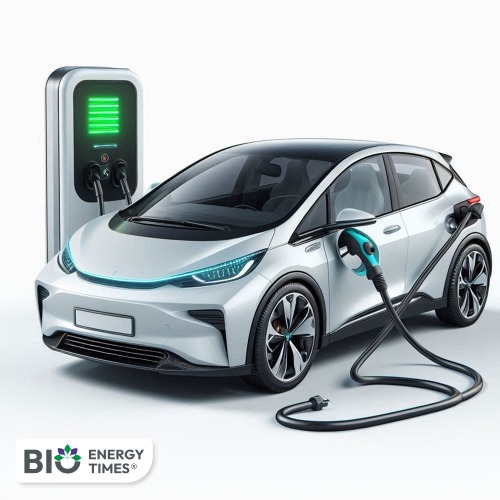
Global automotive engineering body FISITA has released a new technology roadmap outlining the key steps needed to accelerate the widespread adoption of electric vehicles (EVs), with a strong focus on reducing costs, improving charging infrastructure and enhancing battery technology.
The report, Advancing Battery and EV Technologies: Strategies for Widespread EV Adoption and the Post-Chasm Era, was prepared by FISITA’s Battery Technology Expert Group, bringing together specialists from across the battery and automotive industries.

The roadmap identifies six key areas that will shape the next phase of EV development: cost, charging, driving range, standardisation, safety and sustainability. According to the report, coordinated progress across these areas is essential to move electric vehicles beyond early adopters and into the mainstream market.
The report notes that batteries account for 30-40% of an electric vehicle’s total cost, making affordability the biggest obstacle to wider adoption. It recommends reducing battery costs through lower-cost battery chemistries, more efficient manufacturing processes and better integration of battery systems to help achieve price parity with conventional internal combustion engine vehicles.
While driving range has improved to a level that satisfies most consumers, the report says the availability of charging infrastructure has become a more important factor influencing buyer confidence. It recommends expanding access to standard AC charging while deploying fast-charging stations in locations where they are economically viable.
FISITA also highlights battery standardisation as a key factor in lowering development costs and increasing production efficiency without limiting technological innovation.
The report identifies safety and sustainability as equally important priorities. It calls for improved manufacturing practices to reduce defects, stronger fire protection measures, greater transparency on carbon emissions, increased use of recycled materials and more resilient supply chains for critical minerals used in battery production.
According to FISITA, progress across these six areas will help the industry overcome the challenges of the next stage of EV adoption and support the development of a more sustainable and accessible electric vehicle market.
Martin Kahl, FISITA’s Director of Technical, said the report reflects collaboration across the entire battery value chain, including vehicle manufacturers and testing organisations. He said the next phase of EV growth will depend on coordinated progress rather than isolated technological breakthroughs, as issues such as cost, charging, safety and sustainability are closely interconnected and will determine the pace of global EV adoption.