

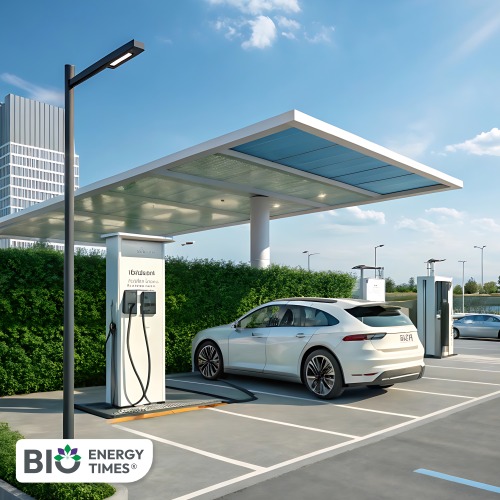
India’s next phase of electric vehicle adoption is likely to be driven increasingly by smaller cities, where electric two-wheelers are emerging as a practical and affordable mobility option. Industry executives, on World EV Day, stressed that sustained growth will also require reliable charging networks, efficient power use and stronger renewable energy integration.
Divyanshu Agarwal, CEO, Zelio E-Mobility , said, “World EV Day is a reminder that India’s EV transition will not be defined by a single segment or a handful of metro markets. Much of the next wave of adoption is being driven by Tier 2 and Tier 3 cities, where electric two-wheelers address everyday mobility needs in a practical, accessible, and affordable way. In these markets, the low-speed EV segment plays a vital role. Our journey has shown us that sustainable adoption happens when technology directly aligns with ground realities—from daily commute efficiency and low running costs to operational simplicity and dependable local service. The real opportunity lies in deepening our presence across smaller towns, turning growing consumer curiosity into long-term trust. At Zelio E-Mobility, we remain committed to engineering relevant, high-value mobility solutions that take electric two-wheelers from an emerging alternative to a mainstream choice across India”.

“World EV Day is a good time to look at electrification as more than a shift from one type of vehicle to another. It is also about building the energy infrastructure needed to make electric mobility work reliably in everyday life. An electric vehicle can only be as practical as the system that supports it, which makes reliable charging, efficient power use and adequate energy infrastructure increasingly important. For India, the next phase of EV adoption will require us to think about generation, charging, storage and consumption as parts of the same equation. The conversation also needs to move beyond how many EVs are being sold to whether the infrastructure around them can keep pace with everyday demand. If we get that right, particularly by making better use of renewable energy and managing demand more efficiently, electric mobility can become more than a cleaner way to travel. It can also help us build a smarter and more resilient energy system”, said Arun Bhardwaj, Managing Director, Smarten Power Systems.













