

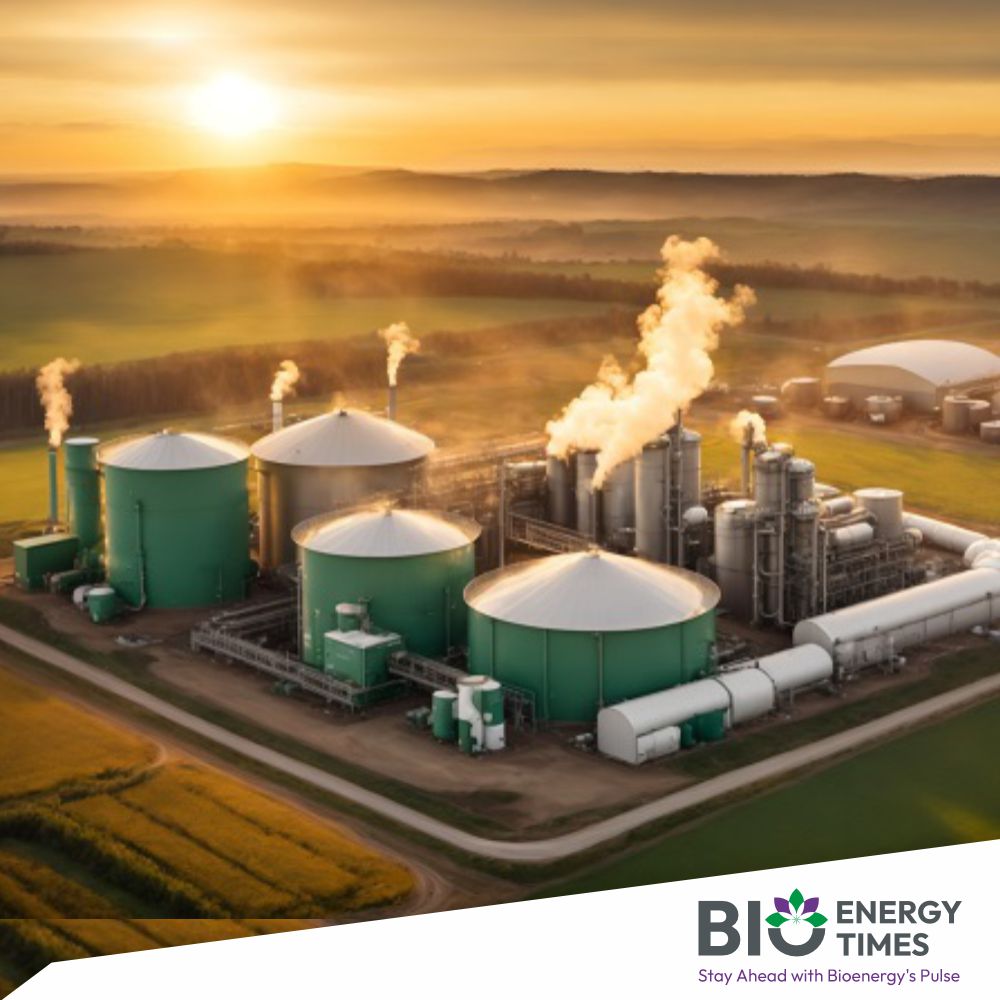
Delhi is set to strengthen its waste management system with a major expansion of compressed biogas (CBG) and waste-processing infrastructure, as the Municipal Corporation of Delhi (MCD) plans to add 13,550 tonnes per day (TPD) of processing capacity over the next few years.
The expansion, which includes new compressed biogas plants along with waste-to-energy (WTE) projects and additional waste-processing facilities, is aimed at reducing the city’s dependence on landfills while narrowing the gap between the waste generated each day and the amount that can be scientifically processed, The New Indian Express reported.

According to official data, the projects will be implemented in phases between 2026 and 2028, increasing Delhi’s waste-processing capacity from the current 7,841 TPD to more than 21,000 TPD.
The national capital generates nearly 14,000 metric tonnes of municipal solid waste every day. However, the MCD, which is responsible for managing waste across about 90-95% of the city, currently has the capacity to process only 7,841 TPD. This leaves a daily processing gap of around 6,000 tonnes, adding pressure on landfill sites.
Under the expansion plan, 7,650 TPD of additional capacity will come from new and expanded waste-to-energy and compressed biogas facilities. The projects include a 3,000 TPD waste-to-energy plant at Narela-Barwana, a 2,000 TPD plant at Ghazipur, expansion of the Okhla and Tehkhand waste-to-energy plants by 1,000 TPD each, and new compressed biogas plants at Okhla and Ghazipur.
The civic body also plans to establish five new waste-processing facilities with a combined capacity of 5,900 TPD at Bhalswa, Shinghola, Okhla, Bawana and Ghazipur.
Sandeep Kapoor, Chairman of the Department of Environmental Management Services (DEMS), said the MCD is implementing two major initiatives to increase waste-processing capacity beyond the volume of waste generated every day.
He said the projects include five new waste-processing facilities with a combined capacity of 5,900 metric tonnes, along with the expansion of waste-to-energy plants. Kapoor added that the civic body aims to create another 8,000-9,000 metric tonnes of processing capacity over the next one-and-a-half years through phased implementation.
Despite the planned infrastructure expansion, waste management experts said improving waste segregation at the source remains essential for the success of the city’s waste management system.
Experts said waste-to-energy plants are designed to process dry, non-recyclable waste and are not intended to handle mixed municipal waste containing large amounts of wet, biodegradable material. They stressed that wet and dry waste should be processed separately using appropriate technologies, including composting and biogas production, to improve overall efficiency.
Currently, Delhi’s waste-processing network is dominated by four major facilities—the integrated waste-processing plant at Narela-Bawana and the waste-to-energy plants at Okhla, Ghazipur and Tehkhand. Decentralised infrastructure such as composting units, material recovery facilities and compressed biogas plants continues to account for only a small share of the city’s overall processing capacity.
The proposed expansion is expected to strengthen Delhi’s ability to scientifically process municipal waste while reducing reliance on the Ghazipur, Bhalswa and Okhla landfill sites, where fresh waste continues to be dumped alongside the biomining of legacy waste.













