

Karnataka is strengthening its position as one of India’s major electric vehicle (EV) hubs, supported by rising consumer adoption, a growing manufacturing base and state policies aimed at expanding clean mobility.
The increasing number of electric scooters on the roads of Bengaluru, Mysuru, Hubballi, Mangaluru and other cities reflects a gradual shift away from petrol-powered two-wheelers. Rising fuel prices, short urban commutes and government incentives are among the factors encouraging consumers to consider EVs.

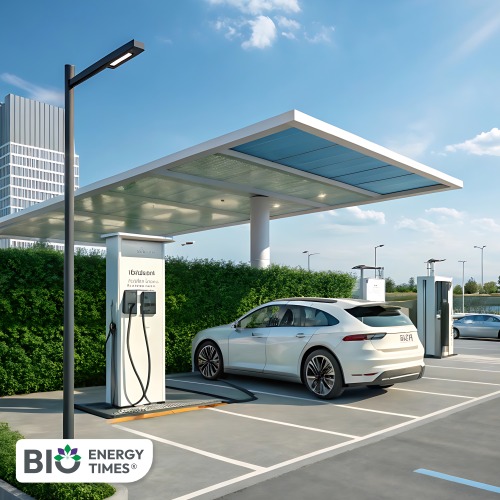
Under its Clean Mobility Policy 2025-30, Karnataka aims to attract ₹50,000 crore in investment and create one lakh jobs. The policy also targets the addition of 2,600 charging stations and proposes fast-charging facilities at 50-km intervals along major highways.
The state plans to develop clean mobility clusters at Gauribidanur, Dharwad and Harohalli to strengthen the EV manufacturing ecosystem and attract new investments. Consumers can also benefit from registration fee and road tax exemptions, as well as incentives available under the PM E-DRIVE scheme.
Range and charging remain key considerations
For buyers, daily travel requirements remain an important factor when deciding whether an electric scooter is suitable. In Bengaluru, where average daily travel is estimated at around 9-10 km, EVs can meet the needs of many routine commuters.
However, buyers need to consider battery range, charging access, warranty conditions, servicing facilities and overall ownership costs before purchasing an electric vehicle.
Battery warranty is particularly important because the battery is one of the most expensive components of an EV. Buyers should check the warranty period, replacement cost and availability of after-sales support.
Insurance coverage also needs attention, particularly for battery damage, electrical faults and other risks specific to electric vehicles. Comparing policies and checking whether battery and electrical components are adequately covered can help buyers manage potential repair costs.
EV adoption rises sharply
State figures cited in the source show that EV sales in Karnataka increased nearly 17 times between FY21 and FY26. EV penetration in the state reached 13.65%, compared with the national average of 9.12%.
Karnataka currently has more than 8,600 charging stations, giving it the largest charging network among Indian states, according to the figures cited, The Siasat Daily reported.
The expansion of charging infrastructure beyond major cities, along with declining battery costs, is expected to support further growth in EV adoption across Karnataka.













