
New Delhi: India’s renewable energy capacity is expected to reach 530 GW by 2030, with solar power accounting for more than 80% of the additional capacity, according to a report by the International Energy Agency (IEA), ANI reported.
The agency’s India Renewable Energy Market Report 2026 states that the country’s renewable energy capacity crossed 300 GW in the fourth quarter of 2026, nearly four times its level a decade ago. This growth is expected to make India the world’s second-largest market for renewable energy expansion.

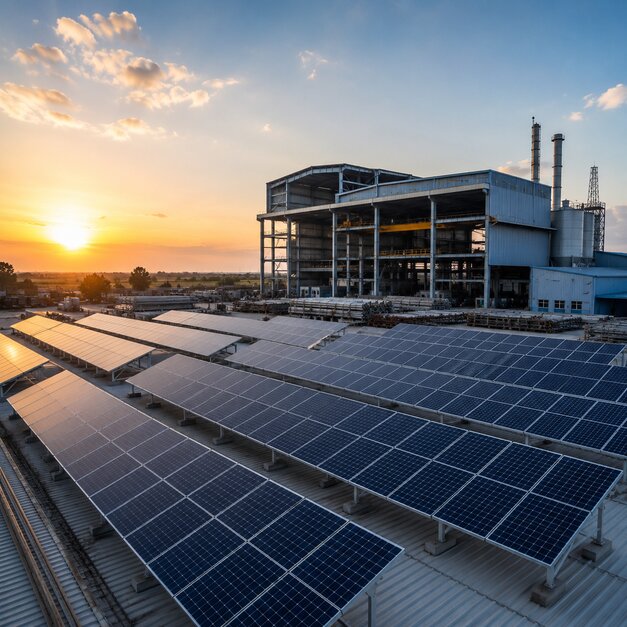
Solar power capacity is projected to exceed 350 GW by 2030, while wind energy capacity is expected to reach nearly 90 GW. Hydropower capacity could rise to 75 GW, supported by the completion of major projects and increased investment in pumped storage facilities.
The expected expansion will help India achieve its target of installing 500 GW of electricity capacity from non-fossil fuel sources by 2030. India had already achieved its target of generating 50% of its installed electricity capacity from non-fossil sources in 2025, five years ahead of schedule.
The IEA expects India to add more than 50 GW of renewable energy capacity annually until 2030, compared with 49 GW added in 2025. Annual additions could increase to 70 GW by the end of the decade if the sector expands at a faster pace.
Electricity generation from renewable sources is projected to nearly double from around 500 terawatt-hours in 2025 to 950 terawatt-hours by 2030. This would increase the share of renewables in India’s total electricity generation from nearly 25% to 35%.
Solar power is expected to become the largest contributor, accounting for more than half of renewable electricity generation by 2030. Electricity production from solar projects could triple between 2025 and 2030, while wind power generation is expected to increase by around 50%.
The agency attributed the growth to competitive bidding, government support, declining technology costs and rising electricity demand from commercial and industrial consumers.
However, the report highlighted several challenges that could affect the pace of expansion. These include delays in developing transmission networks, insufficient energy storage facilities, difficulties in acquiring land, delays in project completion and the financial condition of electricity distribution companies.
The IEA said faster development of transmission infrastructure, increased investment in energy storage and improvements in the power system would be necessary to accommodate the growing share of renewable electricity.
It added that addressing these challenges could increase renewable energy capacity additions during 2026–2030 by more than 20%, according to ANI.