

Haryana recorded 42 stubble-burning incidents by November 2 this year, down from 118 during the corresponding period last year, as biogas plants and rising demand for paddy straw as livestock fodder provide farmers with alternatives to burning crop residue, Urban Acres reported.
The decline has coincided with farmers in villages around Jind earning Rs 7,000–9,000 per acre by selling paddy straw to private buyers supplying livestock-feed markets in Rajasthan, where it is used to feed camels, goats and other livestock.

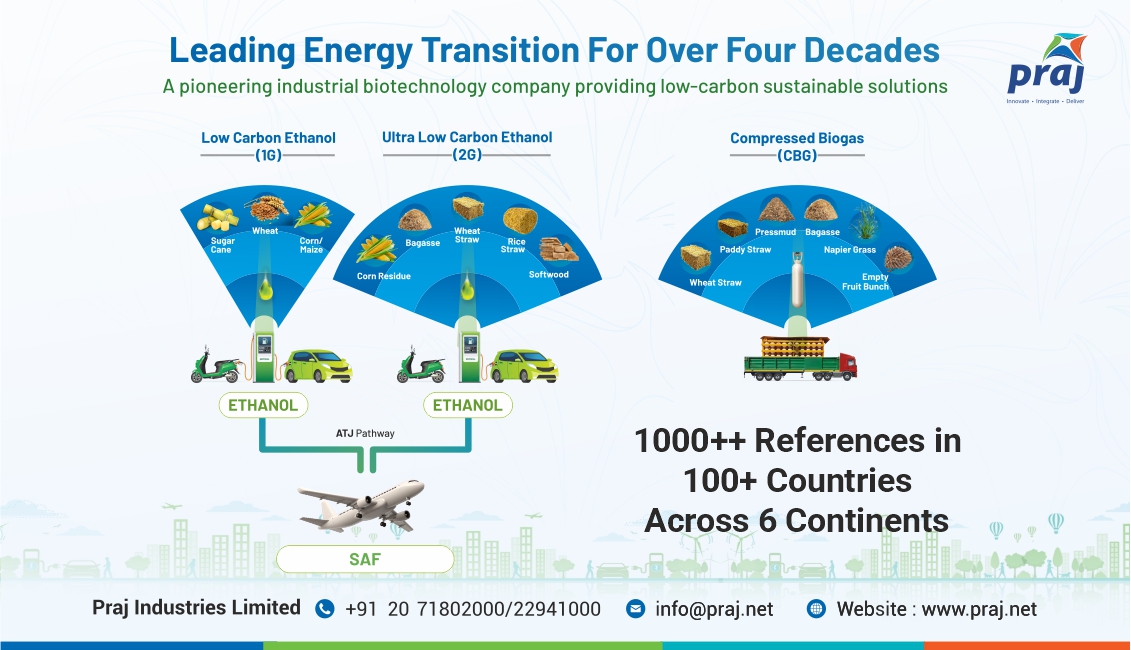
Narender Pal, a quality control inspector with the agriculture department in Jind, attributed the reduction in farm fires to a combination of higher straw prices, administrative monitoring, action against violations, farmer awareness and the establishment of biogas plants that use paddy straw as raw material.
The growing straw trade is also generating work for labourers, tractor owners and loading-machine operators. However, access to the market depends partly on the harvesting method. Private buyers generally purchase straw from manually harvested fields, while residue left after combine harvesting is often not collected.
Anil Godara, a farmer from Rajthal village in Hansi district, said manual harvesting costs around Rs 10,000 per acre, compared with approximately Rs 2,500 for combine harvesting. Although straw can fetch Rs 7,000–8,000 per acre after manual harvesting, the lower-cost combine option may leave farmers with residue that buyers are unwilling to collect.
The pressure to clear fields quickly for wheat sowing can consequently push some farmers towards burning. The experience in Jind and neighbouring villages suggests that alternative uses for paddy straw, supported by procurement networks and administrative measures, are helping reduce the practice, although market access remains uneven.