
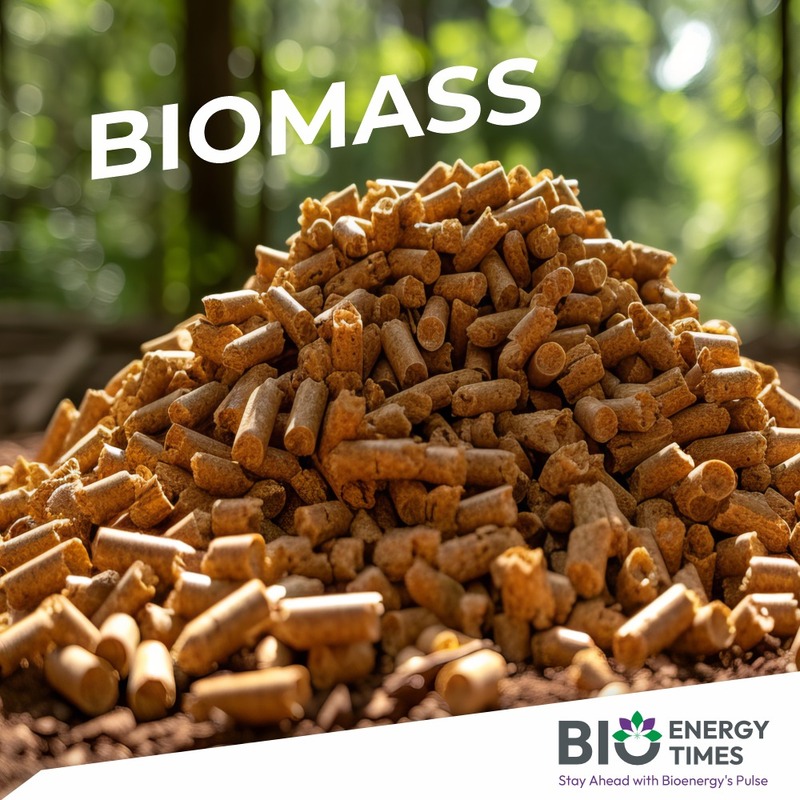
Biomass-derived activated carbon is emerging as a key material for next-generation energy storage technologies, with growing interest in its use for supercapacitors that support renewable energy systems while advancing sustainability goals.
As the global shift towards cleaner energy accelerates, the need for efficient energy storage solutions continues to grow. Renewable energy sources such as solar and wind are expanding rapidly, but their variable power generation has increased demand for technologies capable of storing electricity reliably and delivering it when required, Tyn Magazine reported.

Among the available technologies, supercapacitors are attracting attention for their ability to charge quickly, deliver high power output and operate over long service lives. Unlike conventional batteries, which store energy through chemical reactions, supercapacitors store energy electrostatically, enabling rapid charging and discharging while maintaining performance over hundreds of thousands of cycles.
A key factor driving improvements in supercapacitor performance is the use of activated carbon in electrode materials. Produced from renewable sources such as coconut shells, wood and agricultural residues, biomass-derived activated carbon is helping improve energy storage performance while reducing dependence on non-renewable resources.
The porous structure of activated carbon provides a large surface area that enhances energy storage capacity, while its high electrical conductivity and chemical stability make it well suited for supercapacitor applications across transportation, industrial systems, renewable energy integration and consumer electronics.
Researchers and manufacturers are increasingly turning to biomass-derived carbon as industries seek sustainable alternatives to conventional materials. Converting agricultural by-products and other renewable feedstocks into high-performance carbon materials also supports better resource utilisation and creates value from waste streams.
The use of biomass-derived activated carbon offers several environmental benefits, including greater reliance on renewable raw materials, reduced dependence on fossil-based resources, support for circular economy initiatives, productive use of agricultural residues and the potential to reduce waste generation.
As demand for clean energy technologies continues to rise, biomass-based activated carbon is expected to play an increasingly important role in improving the performance of supercapacitors while supporting the transition to more sustainable energy systems.