
Three US states bordering the Gulf of Mexico – Louisiana, Mississippi, and Texas – have secured a $20 million competitive grant to investigate and demonstrate how idle offshore oil and gas infrastructure can be converted for green hydrogen production, open-ocean aquaculture, and critical mineral harvesting, CleanTechnica reported.
The funding was awarded by the Gulf Research Program at the National Academies of Sciences, Engineering, and Medicine to the “Repurposing Petroleum Infrastructure for Sustainable Energy, Food, and Critical Minerals” programme, led by the non-profit Gulf Offshore Research Institute (GORI). The five-year initiative brings together a broad consortium of universities and research organisations, including the Harte Research Institute at Texas A&M University-Corpus Christi, the University of Houston, Louisiana State University, the University of Michigan, the University of Southern Mississippi, the environmental services firm Blue Latitudes, aquaculture company Blue Silo, talent recruiter FerVid Group, and the organisation Gulf Trust.
The programme is tasked with researching and demonstrating the practical repurposing of offshore platforms that are no longer active in oil and gas production. Beyond green hydrogen, the scope extends to continuous ocean data collection and the harvesting of critical minerals from the seabed.
GORI has set a target of having five operational platforms delivering measurable environmental and economic outcomes by 2030. Kent Satterlee, executive director of GORI, said the programme sought to transform the existing backbone of oil and gas production into a foundation for sustainable energy and coastal economic activity, integrating renewable energy, aquaculture, mineral recovery, and ocean monitoring.
The University of Houston brings to the consortium an existing repurposing programme called ROICE, which stands for Repurposing Offshore Infrastructure for Continued Energy. The initiative was launched in 2022 with $1.3 million in funding and a five-year mandate to develop an economic, workforce, and technology plan for the thousands of inactive wells, pipelines, and platforms sitting in the Gulf. The new $20 million grant adds a practical demonstration element to that earlier groundwork.
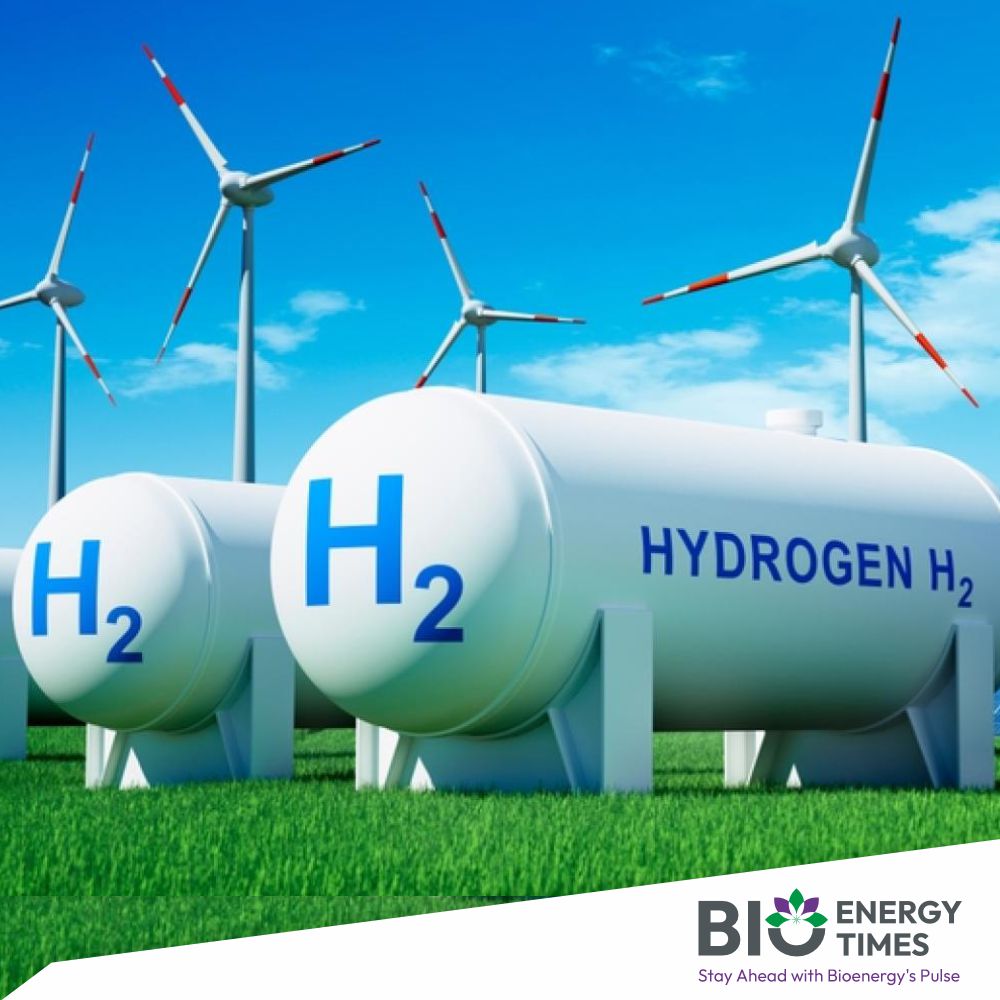
Green hydrogen is produced by passing an electric current through water in a process called electrolysis, ideally powered by wind, solar, or other renewable energy sources. Texas, despite its strong fossil fuel identity, has held the top position for installed wind capacity in the United States since the early 2000s and is currently among the leading states for solar power alongside California and Florida, giving the region a substantial renewable energy base to draw on.
CleanTechnica noted that the broader case for green hydrogen in the US has strengthened considerably since the outbreak of the conflict involving the United States, Israel, and Iran in February 2026, which disrupted global fuel markets and led to the closure of the Strait of Hormuz shipping lane. The article said the conflict had narrowed the cost gap between green hydrogen and conventional hydrogen derived from fossil fuels, and had intensified the argument for locally produced renewable energy across the country.
US Gulf states win $20 million grant to repurpose offshore oil platforms for green hydrogen


RELATED ARTICLES