
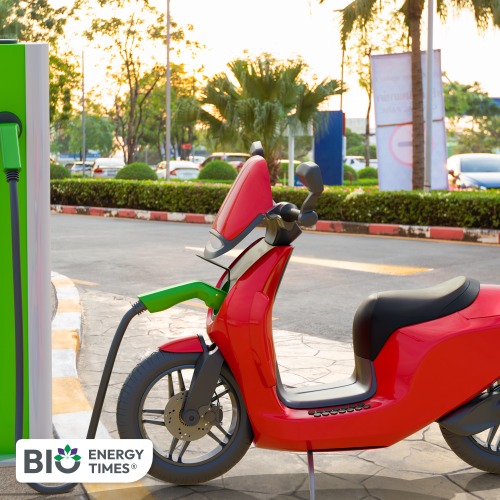
New Delhi: Electric two-wheelers are driving the initial uptake of Delhi’s EV Policy 2026, accounting for 1,648 of the 1,664 beneficiaries who have received purchase incentives since the policy came into effect on July 1, The Times of India reported.
Government data showed that the policy had received 5,678 applications across various incentive categories by September 21. Of these, 5,621 applications were for electric two-wheelers, the highest among all vehicle categories.

The government has released Rs 4.8 crore in incentives through direct benefit transfer so far, including Rs 4.6 crore to electric two-wheeler buyers.
Under the policy, electric two-wheelers are eligible for an incentive of Rs 10,000 per kWh of battery capacity, subject to a maximum of Rs 30,000 in the first year. The incentive will be reduced to Rs 6,600 per kWh, capped at Rs 20,000, in the second year and Rs 3,300 per kWh, capped at Rs 10,000, in the third year.
The policy also provides incentives for scrapping older internal combustion engine vehicles while purchasing new electric vehicles. Eligible BS-IV or older cars can receive a scrapping incentive of Rs 1 lakh, while eligible BS-IV or older two-wheelers are entitled to Rs 10,000.
However, applications under the scrapping component have remained limited. The government received 52 applications for electric four-wheelers and 79 for electric two-wheelers. Scrapping incentives worth Rs 16 lakh have been released to 16 beneficiaries who purchased new electric four-wheelers, while Rs 2.5 lakh has been paid to 25 electric two-wheeler buyers.
Overall, 41 new EV buyers have received incentives under the scrapping component.
A senior government official said the share of electric goods vehicles in EV registrations had risen from around 8% in the months before the policy came into effect to nearly 26% in September 2026. The official said the increase indicated growing adoption of electric goods vehicles.
However, applications for some categories remain limited. Only five applications have been received for N1 electric trucks with a gross vehicle weight of up to 3.5 tonnes, and no subsidy has been disbursed under this category so far.
The Delhi Electric Vehicle Policy 2026, launched by Chief Minister Rekha Gupta, envisages an investment of Rs 15,000 crore to promote zero-emission mobility and address urban pollution. The Delhi EV Subsidy Portal was launched on July 3 to enable buyers to apply for financial incentives online.
Officials said 4,014 applications were under scrutiny as of September 21 for verification and completion of the required processing. A government official said the sizeable number of applications awaiting processing indicated continued interest in the scheme.