
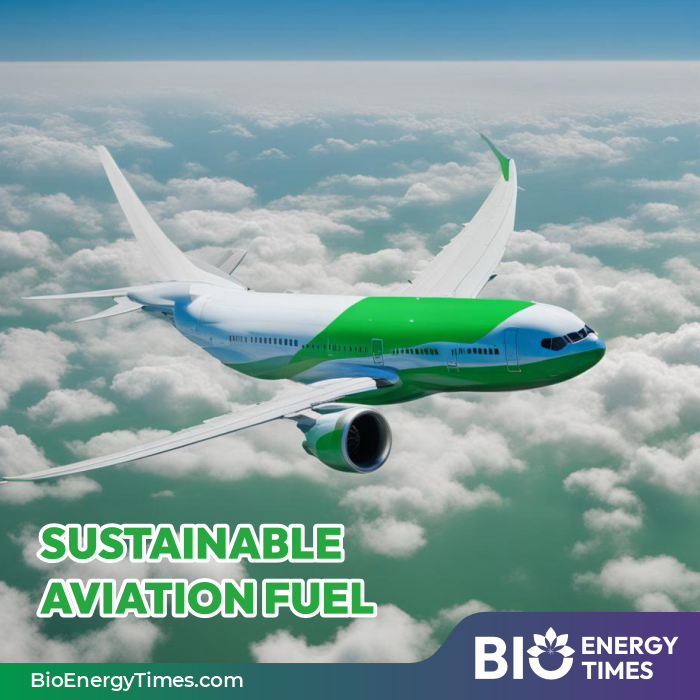
Abu Dhabi: The United Arab Emirates is exploring the possibility of producing synthetic sustainable aviation fuel (e-SAF) in Abu Dhabi following a strategic collaboration agreement between the Abu Dhabi Department of Energy (DoE) and Evolve Fuels AG, a company belonging to the Smartenergy Group, News of Bahrain reported.
The agreement was signed on November 3, 2026, during the Abu Dhabi International Petroleum Exhibition and Conference (ADIPEC 2026). It aims to assess the technical and commercial feasibility of local e-SAF production, attract investment and support the development of regulatory frameworks for the emerging fuel sector.

The collaboration will focus on three key areas: connecting potential investors and business partners in Abu Dhabi with Evolve Fuels’ international project pipeline, supporting the development of policies and regulations for synthetic aviation fuel, and preparing a strategy and roadmap for potential production in the emirate.
However, the agreement does not amount to approval for a new production facility. Instead, it provides a framework to evaluate the feasibility of future projects and identify the technical, infrastructure and investment requirements for developing the industry.
Synthetic sustainable aviation fuel, or e-SAF, is produced using renewable electricity, hydrogen and captured carbon dioxide. Renewable power is used to generate hydrogen through electrolysis, which is then combined with captured carbon dioxide through chemical processes to produce synthetic hydrocarbons. These can subsequently be refined into aviation fuel.
Unlike conventional jet fuel derived from fossil resources, e-SAF offers a potential route to reducing the aviation sector’s dependence on fossil-based energy. Once it meets the required technical specifications and certification standards, the fuel can be used in existing aircraft and aviation fuel infrastructure without requiring a new generation of aircraft.
However, its environmental benefits depend on the source of electricity, the method used to produce hydrogen, the origin of captured carbon dioxide and emissions generated during production and distribution. e-SAF is distinct from bio-based sustainable aviation fuel, which uses feedstocks such as used cooking oil, agricultural residues and other biological materials.
Under the agreement, the DoE and Evolve Fuels will examine the resources and infrastructure needed to support potential production in Abu Dhabi. The assessment will cover renewable energy availability, hydrogen production capabilities, carbon capture opportunities, infrastructure requirements, technology options, potential industry partners and prospective customers.
The initiative also seeks to connect local investors and businesses with Evolve Fuels’ international project pipeline, potentially creating investment and cooperation opportunities between international technology providers and Abu Dhabi-based companies.
Developing clear policies and regulatory standards will be another priority, particularly in areas related to production, certification, investment and future commercial supply.
A joint steering committee will be established to oversee the assessment of potential initiatives and projects.