
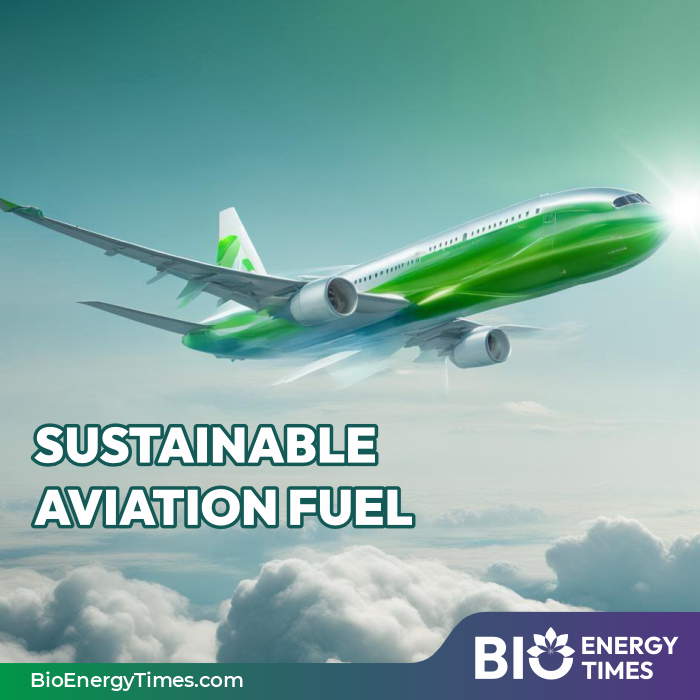
Kuala Lumpur: Malaysia Aviation Group (MAG), the parent company of Malaysia Airlines, has not ruled out introducing a green tax on passengers to help cover the high cost of sustainable aviation fuel (SAF), a move that could further increase airfares, WRAL NEWS reported.
MAG chief executive Capt. Nasaruddin A. Bakar said the group was considering all options as airlines worldwide seek to reduce carbon emissions while facing high SAF prices and limited availability. He made the remarks on Monday on the sidelines of an aviation sustainability conference, according to The Associated Press.

“We are looking at all options,” Nasaruddin said, stressing that both passengers and airlines must be able to afford the transition to sustainable aviation fuel.
Neighbouring Singapore became the first country to announce a government-mandated green aviation levy, scheduled to take effect in January 2027. The charges will vary according to destination and cabin class.
The International Energy Agency estimates that aviation accounts for around 2.5% of annual global carbon emissions. With air travel demand continuing to grow, the UN-backed International Civil Aviation Organization has set a target of achieving net-zero carbon emissions from international aviation by 2050. The organisation says SAF could reduce the industry’s emissions by approximately 65%.
SAF is generally produced from renewable feedstocks such as used cooking oil, waste fats and agricultural residues. It can be blended with conventional jet fuel and used in existing aircraft. However, its higher cost, limited production capacity and competition for sustainable feedstocks remain major barriers to wider adoption.
According to the International Air Transport Association, SAF accounts for less than 1% of global jet fuel consumption.
Fleet renewal and SAF adoption
Nasaruddin said MAG would focus on fleet modernisation and SAF adoption as part of its emissions-reduction strategy. Malaysia Airlines is renewing its fleet through orders for 40 fuel-efficient Airbus A330neo aircraft and 55 Boeing 737 MAX jets.
He said any decision on a green tax would rest with the government, but regulators, fuel suppliers and airlines needed to work together to bring down SAF costs. Passing the entire additional expense on to passengers could make air travel less attractive, he cautioned.
The airline group is already facing pressure from higher conventional jet fuel prices amid the Iran war, with limited scope to recover the increases through ticket prices. Similar constraints would apply to SAF, with the extent of any cost passed on to passengers depending on the fuel’s price.
“If the cost is not that high, maybe some more of it can be passed on to the passenger,” Nasaruddin said. “If the cost is just too high, we won’t be able to do that.”
He also left open the possibility of further ticket price increases, saying the outlook remained uncertain.