
A major biomass gasification project in the Netherlands has secured nearly €150 million in government support, strengthening the country’s renewable energy and bioenergy ambitions and paving the way for construction of one of its largest biomethane production facilities.
EemsGas, a joint venture between Perpetual Next and Gasunie, has been awarded a €149.8 million SDE++ operating subsidy by the Netherlands Enterprise Agency, Bioenergy Insight reported.

The latest funding comes in addition to a €30 million DEI+ investment subsidy granted in late 2025, bringing total public support for the project to nearly €180 million. The project itself represents a private investment of approximately €100 million.
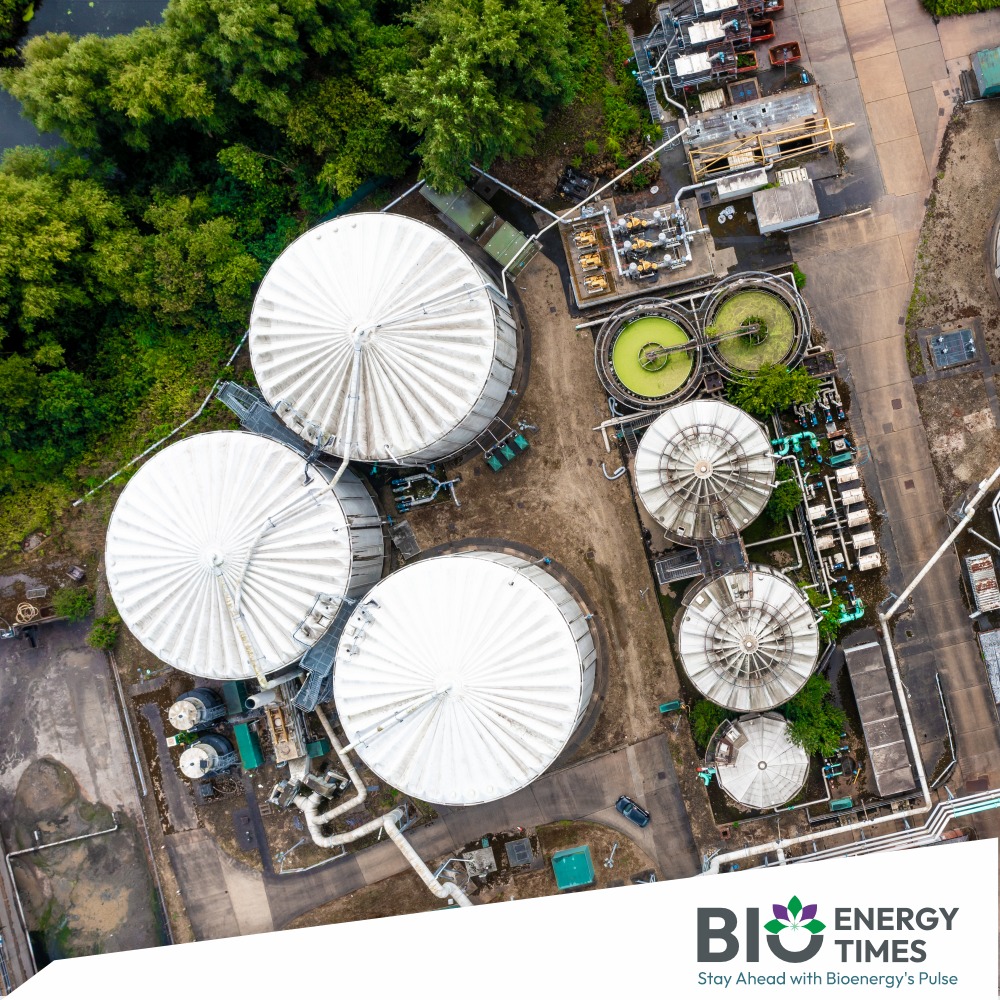
The biomass-to-bioenergy facility will be constructed at the Chemical Park Delfzijl and is expected to become one of the largest biomethane production plants in the country.
Using advanced gasification technology developed in collaboration with research organisation TNO, the plant will convert waste wood into renewable green gas. Once operational, it is expected to produce around 18 million cubic metres of biomethane annually, significantly higher than the output of many conventional biomethane facilities.
The SDE++ subsidy will provide long-term revenue support through a price-floor mechanism that guarantees a minimum income level over a 15-year production period from July 2029 to June 2044. The actual subsidy payments will vary depending on market gas prices.
René Buwalda, Chief Executive Officer of Perpetual Next, said the government support reflects confidence in the project’s contribution to energy security and renewable fuel production. He noted that the plant would help strengthen the Netherlands’ energy independence while meeting growing demand for biomethane.
Hans Coenen, Chief Operating Officer of Gasunie, said the funding reinforces the role of gasification technology in producing sustainable fuels and supporting future energy supply needs.
Perpetual Next and Gasunie have been jointly developing the project since 2022. Preparatory work is now moving toward the next phase, with construction expected to begin in 2027 and commercial operations targeted for 2029.