

India is considering a ban on the use of food crops such as corn, soybeans and palm oil for producing sustainable aviation fuel (SAF), seeking to prevent competition between the aviation fuel industry and the food sector and limit the risk of higher food prices, UkrAgroConsult reported.
The proposed restrictions form part of a draft government policy reviewed by S&P Global Energy. The draft also seeks to exclude feedstocks associated with deforestation, biodiversity loss and the use of unauthorised genetically modified organisms.

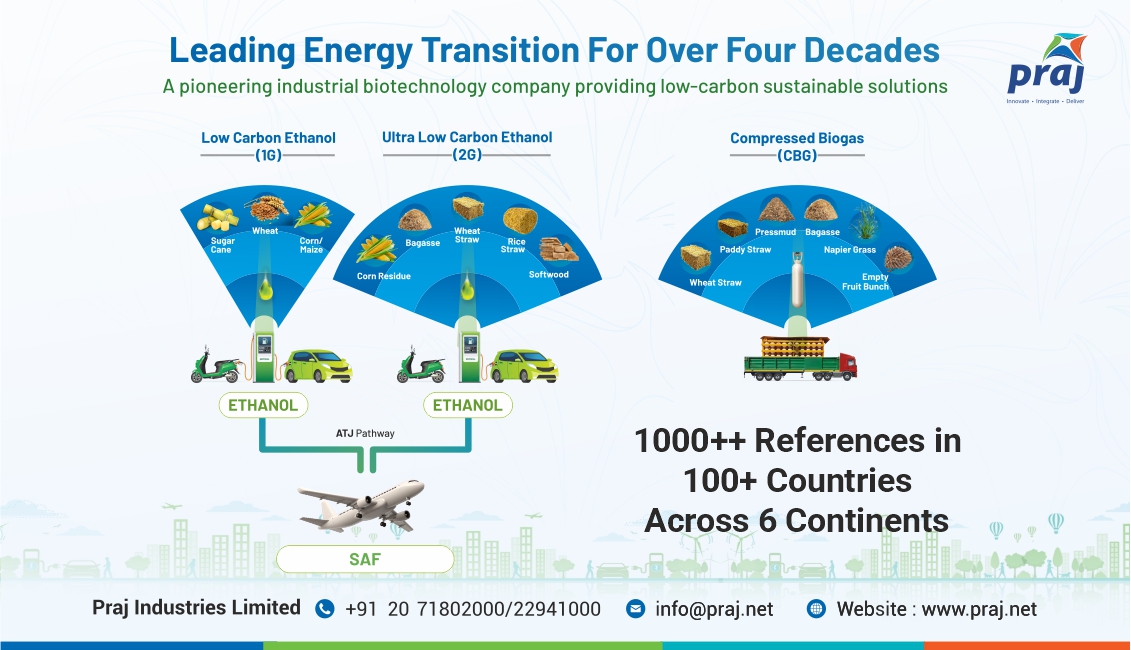
The proposed approach marks a departure from India’s ethanol production programme, which relies substantially on corn and surplus rice as feedstocks. For sustainable aviation fuel, the government intends to prioritise non-food alternatives, including used cooking oil, animal fats and agricultural residues.
However, the proposed restrictions would not completely exclude sugarcane-derived feedstocks. Cane molasses, cane syrup and surplus sugar would remain eligible for producing alcohol-to-jet (ATJ) fuel.
The draft also proposes a traceability mechanism under which the origin of individual feedstock batches would be verified through geolocation data and satellite monitoring to ensure compliance with sustainability requirements.
Alongside the proposed feedstock restrictions, the government is considering a fixed procurement price mechanism to encourage investment in domestic SAF production.
Under the proposal, the Ministry of Petroleum and Natural Gas would determine procurement prices annually or every six months, taking into account production costs and a guaranteed profit margin. Different price levels would apply to different SAF production technologies.
Oil marketing companies (OMCs) could receive government subsidies to cover the difference between procurement prices and market-linked rates. However, the draft has not specified the actual procurement prices or the profit margins that producers would be guaranteed.
The draft retains the proposed mandatory SAF blending requirements for international flights, with a target of 1 per cent in 2027, rising to 2 per cent in 2028 and 5 per cent by 2030. The blending requirement could subsequently increase to 7.5 per cent by 2035.
To accelerate investment in production infrastructure, the government has proposed financial assistance covering up to 30 per cent of the capital expenditure for new SAF manufacturing facilities.
The policy also seeks to encourage the modernisation of existing biofuel plants and the use of refinery infrastructure to manufacture aviation fuel from renewable feedstocks.
According to estimates cited in the draft, India has more than 750 million tonnes of biomass available annually, including approximately 230 million tonnes of surplus agricultural residues that could serve as feedstock for SAF production.
The country’s potential sustainable aviation fuel output is estimated at 8-10 million tonnes annually by 2040. Achieving this production capacity would require investments of around $70-85 billion.
The proposed policy is still at the draft stage, and its provisions relating to feedstock eligibility, financial incentives and mandatory blending requirements could undergo changes before finalisation.