
Indonesia’s state-owned electricity company PT PLN’s initiative to use agricultural and industrial waste as biomass for power generation is expected to generate significant economic benefits for rural communities, Minister of Villages and Disadvantaged Regions Development Yandri Susanto has said, Antara News reported.
Susanto described PLN’s biomass co-firing programme at coal-fired power plants as a concrete demonstration of the government’s commitment to promoting economic equality across rural areas.

“The utilisation of village-sourced biomass demonstrates the state’s presence in delivering tangible economic drivers to rural areas,” he said on Saturday (October 31).
He said his ministry fully supported the state utility’s initiative to procure biomass directly from village communities.
According to Susanto, the programme is aligned with the sixth priority agenda under President Prabowo Subianto’s eight-point mission, known as Asta Cita. The agenda focuses on developing Indonesia from the grassroots and village level to promote economic equality and reduce poverty.
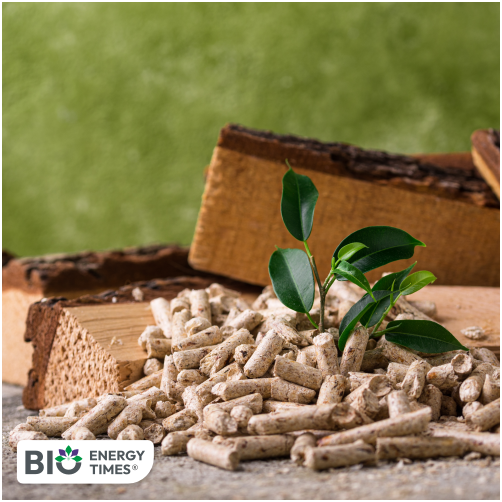
He noted that organic waste materials that were previously considered to have little or no economic value, including sawdust, rice straw and coconut shells, now have a guaranteed market and stable prices through partnerships with PLN.
The assured demand for these materials is expected to create a multiplier effect in rural economies by generating employment opportunities and improving household incomes.
“This means sustainable economic activity is taking place, residents are employed, earn an income, and the surrounding environment becomes cleaner. In short, it creates broad positive spillover effects,” Susanto said.
He added that adopting waste-to-energy technologies could improve living standards while strengthening social cohesion in villages.
“It is not merely about financial gains, but about making village life cleaner, more cohesive, and better. With appropriate technology and new revenue streams, the welfare of village residents will naturally improve,” he said.