
Malaysia is stepping up efforts to develop smart, low-carbon technologies by expanding research in biomass, biofuels and advanced carbon management systems, Open Gov reported.
Universities and research institutions are increasing collaboration to convert biological resources and agricultural waste into sustainable energy solutions. These initiatives aim to strengthen climate resilience, promote cleaner energy use and support the shift toward more sustainable energy systems across the region.

Academic institutions such as Curtin University Malaysia and Universiti Teknologi PETRONAS are working with regional partners to explore technologies that enable large-scale use of biomass resources.
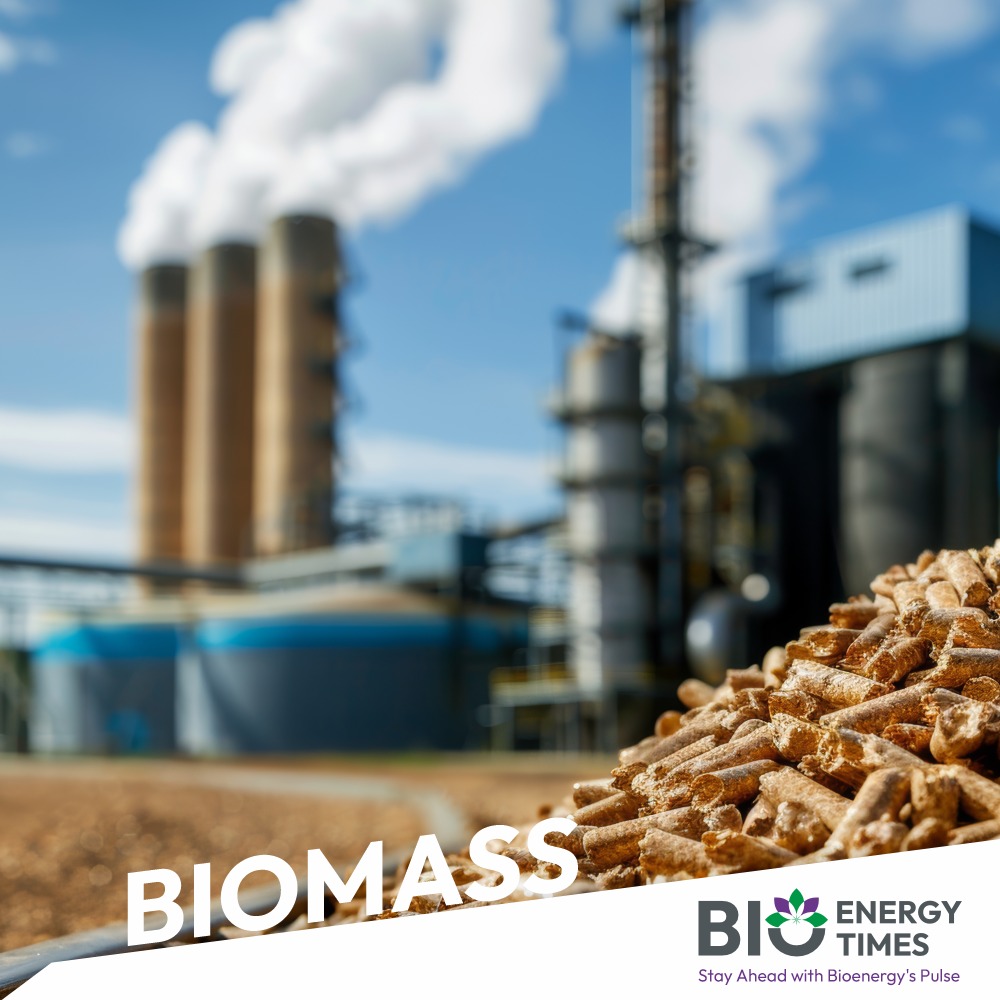
Biomass is considered one of Malaysia’s key renewable energy opportunities due to its strong agricultural sector and the large volume of organic by-products generated by industries such as palm oil processing. Ongoing research focuses on converting these materials into advanced biofuels, biochemicals and other energy products while reducing environmental impact.
A major focus area is biomass valorisation, which involves transforming agricultural residues and organic waste into valuable products through advanced processing methods. Researchers are studying thermochemical conversion, biochemical processing and integrated biorefineries capable of producing multiple outputs, including bioenergy, hydrogen and renewable materials. The goal is to support a circular system in which waste materials are reused rather than discarded.
Efforts are also under way to improve processing efficiency and reduce emissions across industrial systems. Advances in catalytic processes, fermentation techniques and resource recovery methods are helping to improve the use of biomass feedstocks and reduce reliance on fossil fuels.
Carbon capture and utilisation is another important area of research, particularly in bioenergy systems. Scientists are examining how carbon dioxide released during biomass conversion or hydrogen production can be captured and stored or reused. Pre-combustion carbon capture technologies are being studied for their potential to improve hydrogen production efficiency while lowering emissions.
Hydrogen production from biomass is emerging as a strategic priority, with researchers exploring ways to combine biomass conversion with carbon capture to produce low-carbon or even carbon-negative hydrogen. This approach is seen as a possible pathway for reducing emissions in industry and transport.
In addition, research is being conducted on microalgae as a renewable source for biofuels and other products. Microalgae can absorb carbon dioxide efficiently, grow in non-arable areas and offer high productivity, making it a promising option for future bio-based energy systems.
These developments align with broader sustainability goals in Sarawak, where policies focus on expanding renewable energy, improving resource efficiency and strengthening climate resilience. Regional collaboration involving Malaysia, the Philippines and Indonesia is also helping advance biomass technologies through shared research and scaling efforts.