
Maputo: The consortium developing the Mozambique LNG project is planning to establish a biodiesel production facility in Palma, Cabo Delgado, with an annual capacity of around 5,000 tonnes, using coconut as the sole feedstock. The biodiesel is intended to support natural gas operations as part of the project’s decarbonisation strategy, Oils & Fats International reported.
The initiative has been proposed by TotalEnergies EP Mozambique Area 1 (TEPMA1), which is responsible for the Mozambique LNG project, according to a report by Club of Mozambique published on September 9.

The proposed project aims to establish a local biofuel value chain by sourcing coconuts from small-scale farmers in the Palma area. To take the project forward, TEPMA1 has issued an expression of interest seeking companies, investors or consortia that can finance, design, construct, own and operate the integrated biodiesel facility.
The project will follow a Finance-Build-Own-Operate model.
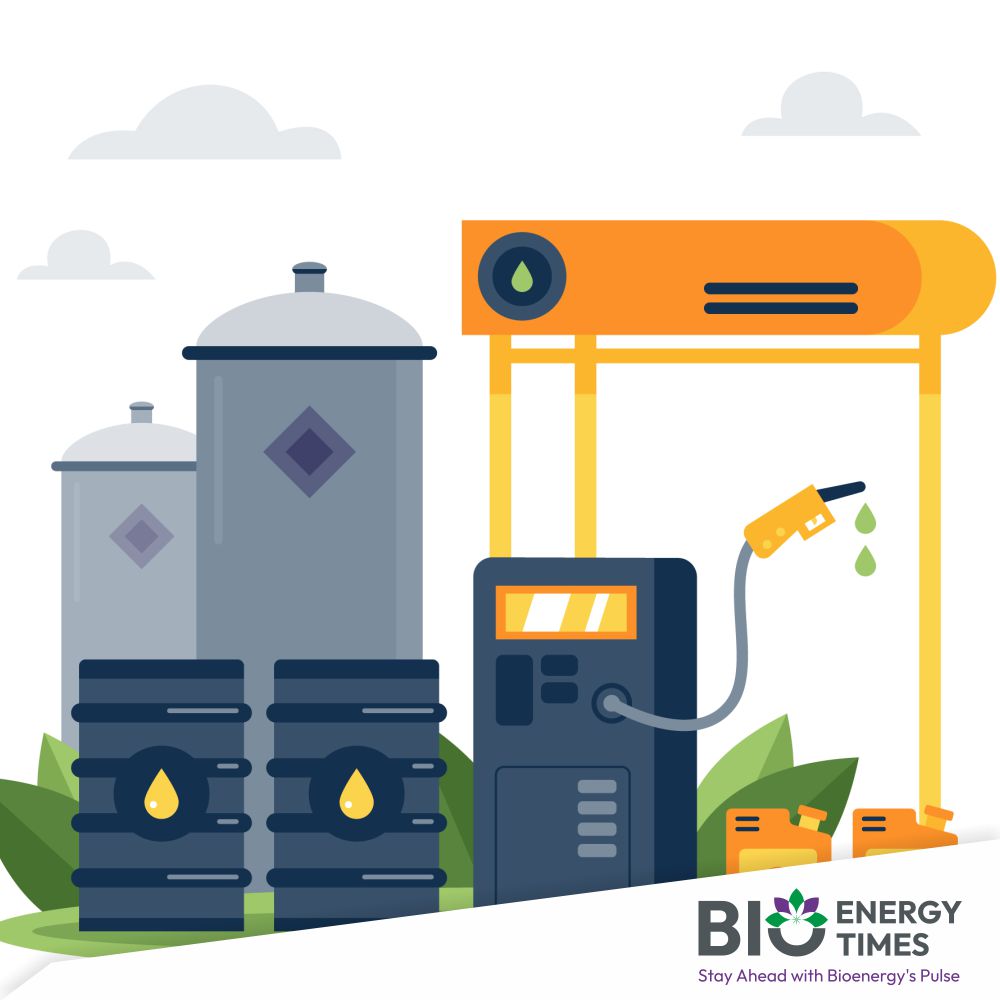
According to the tender notice, the facility will have an approximate nominal production capacity of 5,000 tonnes of B100 biodiesel per year. It will comprise units for vegetable oil extraction and refining, raw-material collection centres and a network of local aggregators.
Mozambique LNG is expected to become the main buyer of the biodiesel through a long-term offtake agreement.
TEPMA1 has specified that the raw material required for biodiesel production should be purchased from small-scale farmers in the local area. The initiative is also expected to support more than 3,000 farmers through nurseries, technical assistance and other forms of support.
The programme further includes plans for planting more than 440,000 coconut seedlings, supporting the development of a local coconut-based feedstock supply chain.
The Mozambique LNG project, located in Area 1 of the Rovuma Basin, resumed operations in January after being suspended for almost four years because of insecurity caused by armed attacks in the region.