

Kuala Lumpur: The high cost and limited availability of sustainable aviation fuel (SAF) remain major challenges to the aviation industry’s efforts to reduce carbon emissions, Association of Asia Pacific Airlines (AAPA) Director General Wong Hong said, The Edge Malaysia reported.
Speaking at the association’s 70th Assembly of Presidents, hosted by Malaysia Airlines on Friday, Wong said the transition to greener aviation fuel would require coordinated efforts from governments, fuel producers, airports, investors and other industry stakeholders.

He said airlines should not be expected to bear the entire financial burden of adopting SAF, particularly when production capacity, availability and pricing remain significant constraints.
Wong noted that SAF was central to the aviation industry’s decarbonisation goals, but its high cost could put additional pressure on airline finances. SAF currently costs around two to five times more than conventional jet fuel, making large-scale adoption difficult.
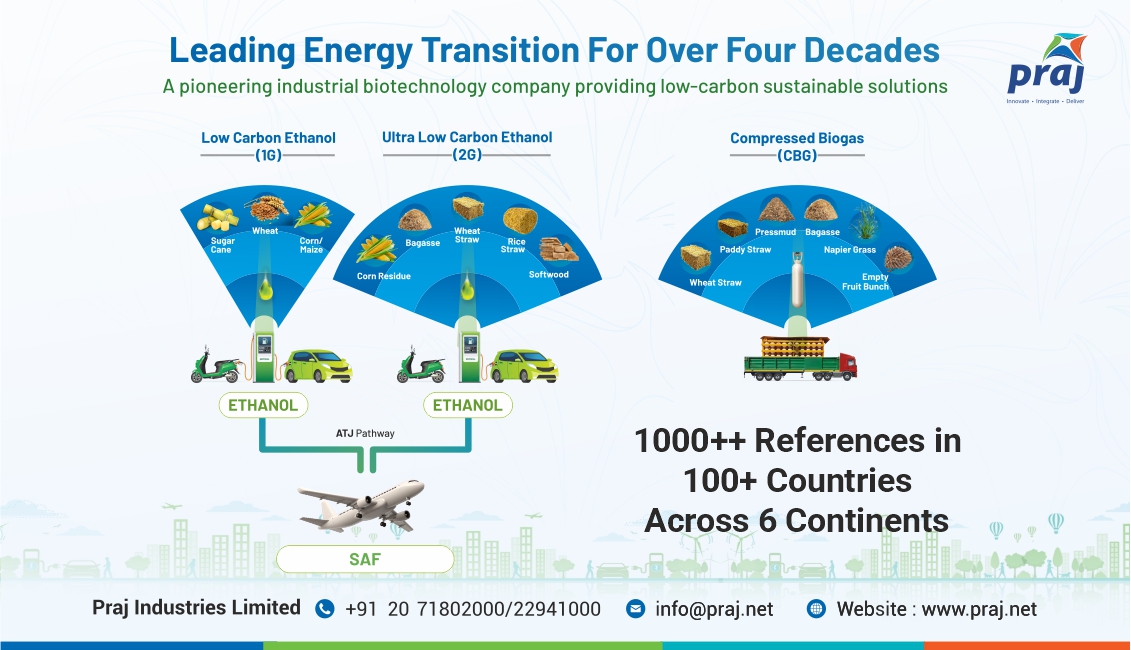
SAF can be produced from sustainable sources such as used cooking oil, biomass waste, agricultural residues, renewable energy and captured carbon. According to the International Air Transport Association (IATA), it could contribute up to 65% of the emissions reductions required for the aviation industry to achieve net-zero carbon emissions by 2050.
The transition is also taking place amid rising operating costs, particularly higher jet fuel prices linked to the prolonged conflict in Iran. Airlines are facing pressure on profit margins as they struggle to absorb increased expenses while maintaining competitive fares.
Wong also highlighted supply-chain challenges affecting the industry, including aircraft delivery delays, limited engine availability and maintenance bottlenecks, which are restricting fleet expansion and operational efficiency.Despite these challenges, he said demand for air connectivity across the Asia-Pacific region remained strong and urged airlines to focus on resilience, innovation and cooperation to manage uncertainties and support long-term growth.