

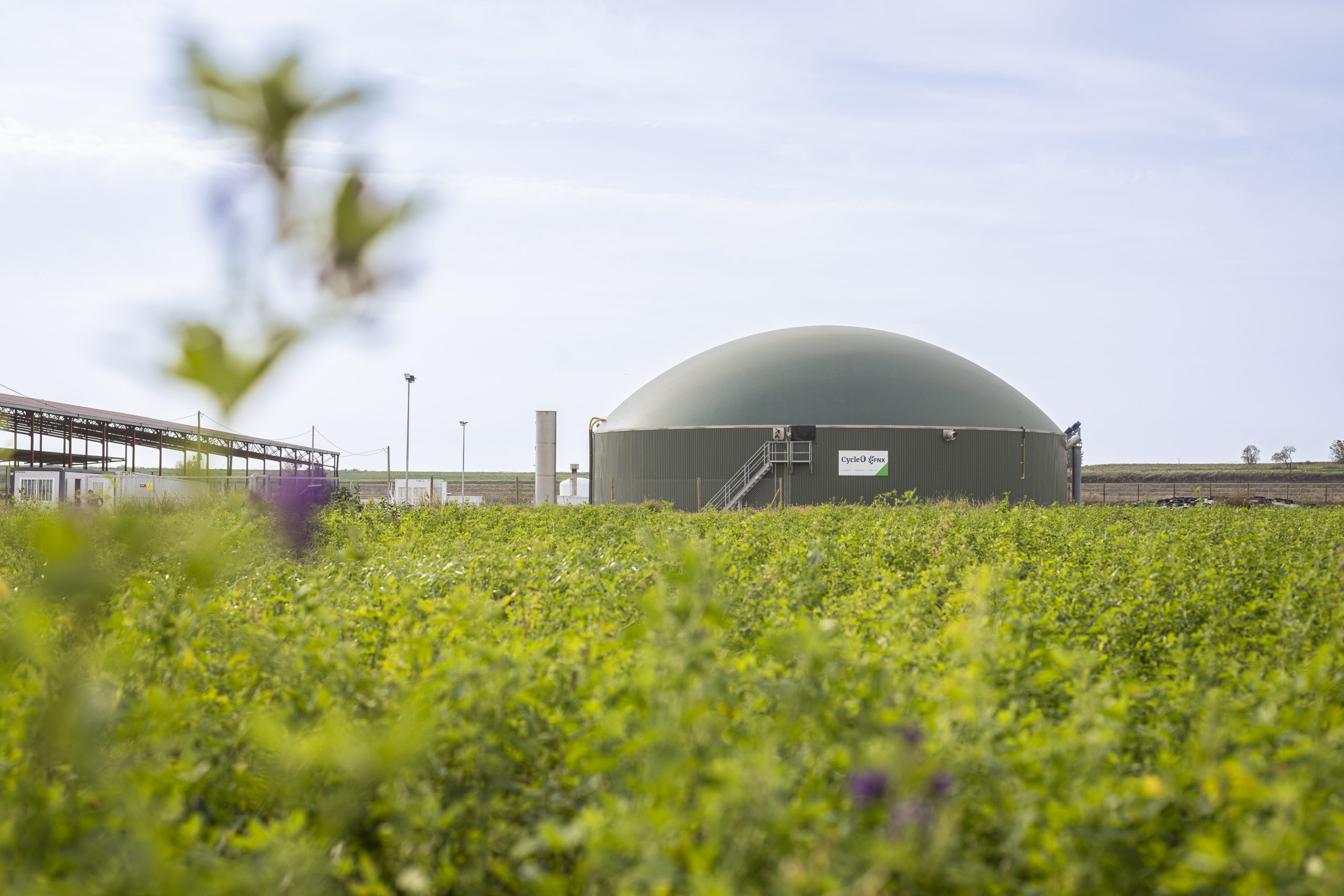
Moldova is planning to develop a biogas project with support from Japan that will convert alcohol production waste into renewable energy, reducing natural gas consumption and cutting greenhouse gas emissions.
Officials from Moldova’s Ministry of Energy met representatives of Japanese firm SDG Impact Japan to discuss financing and developing decarbonisation projects, including a proposal to install a biogas production facility at a local alcohol manufacturing plant, Logos Press reported.

The meeting was attended by State Secretary Carolina Novak and officials from the Ministry of Energy, along with Tokutaro Nakai, former Deputy Minister of the Environment of Japan and a member of the leadership team at SDG Impact Japan.
Under the proposal, the plant’s 900 metric tonnes of distillation waste generated each day would be processed through an anaerobic digestion system, converting around 250 metric tonnes of the waste into biogas daily.
The biogas would be used as fuel in the distillation process, reducing the facility’s reliance on natural gas while improving energy efficiency. The project is also expected to lower greenhouse gas emissions by more than 10,000 metric tonnes of carbon dioxide annually through energy recovery from production waste.
The discussions also covered other renewable energy, energy efficiency and emissions reduction projects that could qualify for support under Japan’s Joint Credit Mechanism (JCM), a bilateral carbon credit programme aimed at promoting low-carbon technologies.
Moldova joined the Joint Credit Mechanism in 2022. The programme enables Japan and partner countries to implement decarbonisation projects, with verified greenhouse gas emission reductions recognised as carbon credits that contribute to both countries’ climate commitments under the Paris Agreement.
The Ministry of Energy and SDG Impact Japan agreed to continue discussions to identify projects with strong investment potential that can accelerate Moldova’s transition to a low-carbon and sustainable economy.