
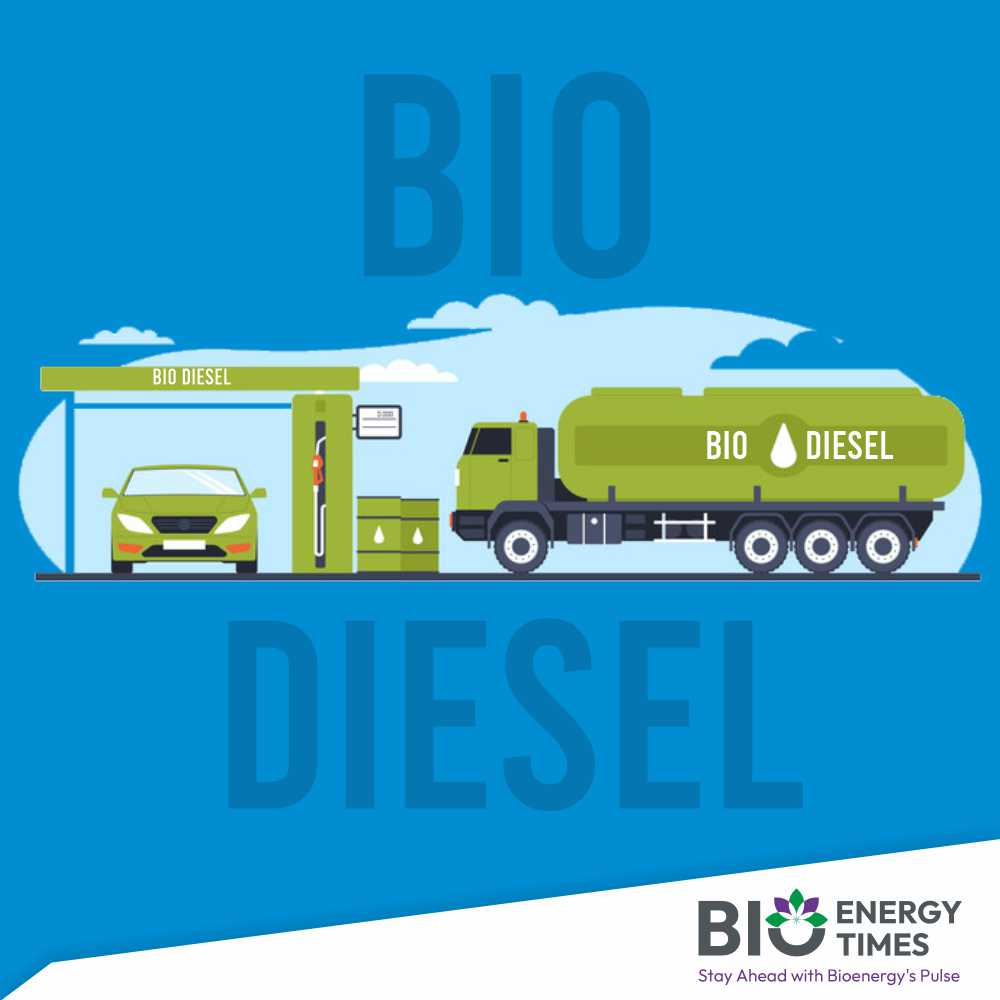
Indonesia is accelerating its bioenergy transition with plans to launch B50 biodiesel in July, a move the government says will strengthen energy independence, reduce reliance on imported fuel and expand the country’s use of domestically produced palm oil-based energy.
President Prabowo Subianto announced the rollout on Wednesday while addressing the 17th National Farmers and Fishermen Week (PENAS KTNA XVII) in Gorontalo, attended by tens of thousands of farmers and fishers representing all 38 provinces, Antara News repoted.

Under the B50 program, diesel fuel will contain a 50 percent palm oil blend, marking a significant expansion of Indonesia’s bioenergy strategy.
“We will move toward fuel self-sufficiency and energy self-sufficiency. In July, in a few days, we will launch B50. Diesel fuel will contain a 50 percent palm oil blend. With this, we will no longer import diesel from abroad,” Prabowo said.
Indonesia, the world’s largest palm oil producer, has progressively increased mandatory biodiesel blending in recent years to cut fuel imports, improve energy security and support domestic consumption of palm oil.
Prabowo said broader use of bioenergy and other domestic energy initiatives could allow Indonesia to reach full energy self-sufficiency within the next three to four years.
“I estimate that in three years, or at most four years, we will achieve energy self-sufficiency. We do not want to import anything for our fuel or energy needs,” he said.
The president added that strengthening domestic energy production has become increasingly important as global energy markets remain exposed to geopolitical uncertainty and disruptions across major oil-producing regions and shipping routes, including tensions surrounding the Strait of Hormuz.
Separately, Energy and Mineral Resources Minister Bahlil Lahadalia said the government remains confident that the B50 program will officially begin on July 1, 2026, following successful trials.
“God willing, we are very optimistic that the launch of B50 will take place on July 1. This will reduce or even eliminate diesel imports, particularly C48 diesel imports,” Bahlil said in Jakarta on June 18.
According to the minister, B50 has already been tested across multiple sectors, including heavy equipment, ships, trains, mining machinery, excavators and agricultural equipment, with trial results showing positive performance.
The government estimates that implementation of B50 could deliver foreign exchange savings of up to Rp157.28 trillion this year.
The planned rollout represents one of Indonesia’s most ambitious bioenergy expansion efforts to date as the country seeks to build a more self-reliant energy system while reducing exposure to volatility in global fuel markets.