

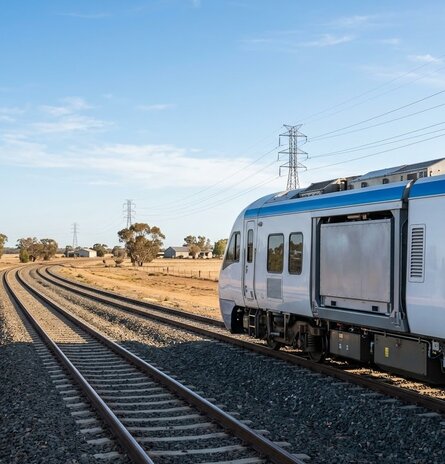
New Delhi: India has moved closer to launching its first hydrogen-powered train, with the Railway Ministry approving operations for a 10-coach DEMU train on the Jind-Sonipat section under the Northern Railway zone.
The train, designed to run at a top speed of 75 kmph, will use hydrogen fuel cells instead of diesel or conventional electric traction to generate power. It has a total power capacity of 1,200 kilowatts and will operate using Distributed Power Rolling Stock technology, where power is distributed across several coaches rather than concentrated in a single locomotive, PTI reported.

The approval follows technical clearance from the Research Designs and Standards Organisation and safety inspections conducted by the Commissioner of Railway Safety.
In its approval letter to Northern Railway, the Railway Ministry directed officials to strictly comply with all operational, maintenance and safety conditions prescribed by the Research Designs and Standards Organisation, the Commissioner of Railway Safety and other statutory agencies, including the Petroleum and Explosives Safety Organisation.
The ministry also highlighted safety concerns related to hydrogen infrastructure, noting that sensors such as leak and flame detectors installed at hydrogen production, storage and dispensing facilities could malfunction due to dust accumulation. Officials have been instructed to ensure regular cleaning and maintenance to guarantee safe operations.
Railway officials clarified that passenger services will not begin immediately, as several compliance checks and verification procedures are still underway.
The hydrogen-powered train will operate exclusively on the Jind-Sonipat route, while maintenance facilities have been established at Shakurbasti in Delhi. During maintenance transfers, the hydrogen system will remain switched off and the train will be hauled by a diesel locomotive in non-operational condition.
The Railway Ministry has also ordered specialised training and competency certification for staff handling hydrogen refuelling and onboard systems, reflecting the additional safety measures required for hydrogen-based rail transport.













