

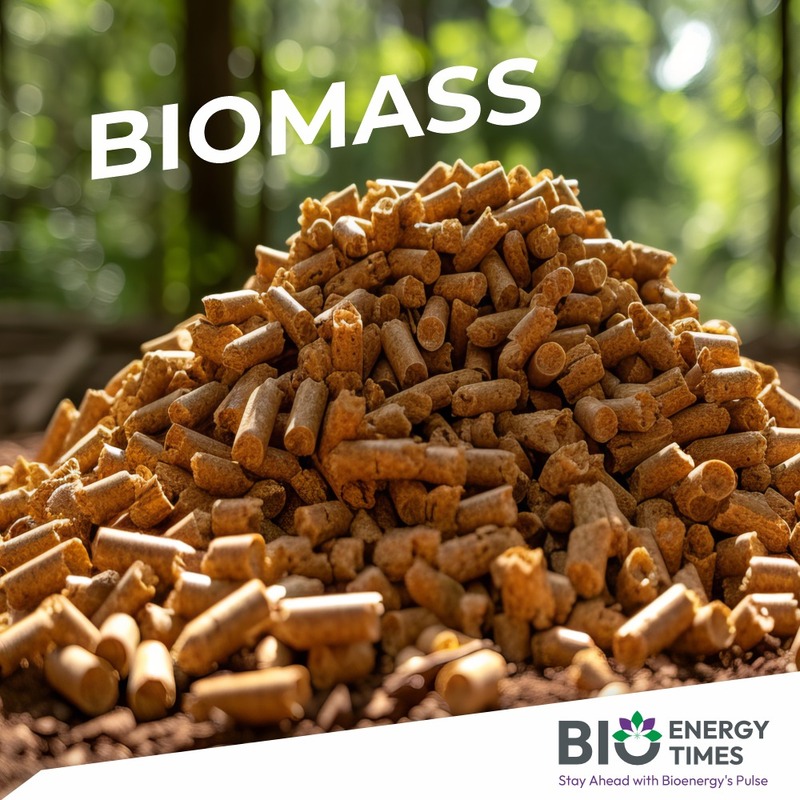
Biomass-based power producers in the United States may gain access to two new tax incentives introduced under the Inflation Reduction Act, according to an analysis by KPMG, Bioenergy Insight reported.
The incentives — the clean electricity production credit (Section 45Y) and the clean electricity investment credit (Section 48E) — are open to a wide range of electricity generation technologies. Facilities that produce power from combusted or gasified biomass can qualify, provided they demonstrate a lifecycle greenhouse gas emissions rate of zero or below.

Unlike the earlier tax credits under Sections 45 and 48, which were limited to specific technologies, the new system is technology-neutral. This means that biogas engines, anaerobic digestion systems, landfill gas projects, wastewater treatment plants and woody biomass power units may all be eligible, subject to verification of lifecycle emissions.
Project developers must choose between the two credits. Section 48E offers a base investment tax credit of 6%, which can rise to 30% if prevailing wage and apprenticeship requirements are met or if the facility has a net output below 1 megawatt. Additional increases of 2% — or 10% if wage conditions are met — are available for projects located in certain census tracts or those using sufficient domestically manufactured components.
Section 45Y, the production tax credit, provides a base rate of $0.003 per kilowatt-hour, increasing to $0.015 if wage requirements are satisfied or for facilities under 1 megawatt. The rate is adjusted annually for inflation, and for 2025 the adjusted base rate stands at $0.006 per kilowatt-hour.
Both credits are generally available for projects that begin construction before December 31, 2035, although benefits will be reduced for facilities that start construction after 2033.
KPMG noted a key difference for biogas developers. Under Section 48E, only power-generation equipment qualifies for the investment tax credit, excluding related components such as anaerobic digesters. This change may make the production tax credit under Section 45Y more attractive for some projects.
The tax credits were also amended under the One Big Beautiful Bill Act. While biogas projects retain the 2034–2035 phaseout timeline — unlike wind and solar projects, which face a faster phaseout — the revised law introduces restrictions related to “prohibited foreign entities.”
For tax years beginning after July 4, 2025, credits will not be available for facilities built with significant assistance from entities linked to China, North Korea, Iran or Russia. The restrictions apply both to direct credit claimants classified under these categories and to projects that use a substantial share of components or products supplied by such entities.
Developers must also maintain documentation on the origin of biomass feedstocks used in qualifying facilities to support lifecycle greenhouse gas emissions verification.