

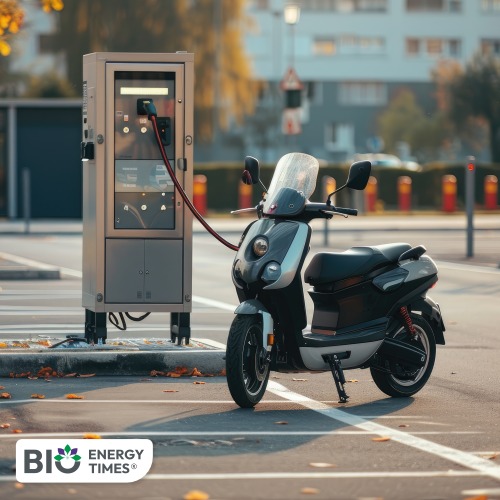
Panaji: Goa is preparing to roll out a new electric vehicle (EV) and compressed natural gas (CNG) policy to reduce dependence on petrol and diesel, following a modest increase in electric vehicle sales during the first half of 2026, The Times of India reported.
According to state government data, 10,279 electric vehicles were sold in Goa between January and June 2026, marginally higher than the 10,092 EVs sold during the whole of 2025. Since 2020, cumulative EV sales in the state have crossed 44,000 units.

Two-wheelers accounted for nearly 79% of total EV sales, reflecting growing consumer preference in the segment. The state has also recorded sales of 2,198 electric four-wheelers, 42 electric goods carriers and 32 electric three-wheelers and auto-rickshaws.
Chief Minister Pramod Sawant, who chaired a meeting on fuel management and sustainable transport strategy, directed officials to prepare a comprehensive EV and CNG policy. The government also plans to identify official vehicles that can be converted to CNG and expand CNG refuelling infrastructure across the state.
The proposed policy will prioritise support for motorcycle taxi operators and auto-rickshaw drivers to switch to electric and CNG vehicles through revised subsidy schemes.
Officials said the draft EV policy retains subsidies of Rs 15,000 for electric two-wheelers and Rs 60,000 for electric three-wheelers, while reducing the subsidy for electric four-wheelers to Rs 75,000 from Rs 1 lakh under the previous policy.
The reduction in four-wheeler incentives is intended to widen eligibility by removing the cap on the number of beneficiaries, allowing more individuals to avail of subsidies.
The government also plans to introduce a dedicated subsidy scheme for licensed motorcycle taxi operators to purchase electric two-wheelers before the Ganesh Chaturthi festival.
Director of New and Renewable Energy Soham Uskaikar said the initiative aims to gradually replace petrol-powered motorcycle taxis with electric vehicles, reducing emissions while lowering operating costs for drivers. Stakeholder consultations are also being held to address concerns related to charging infrastructure, vehicle maintenance and driving range.