
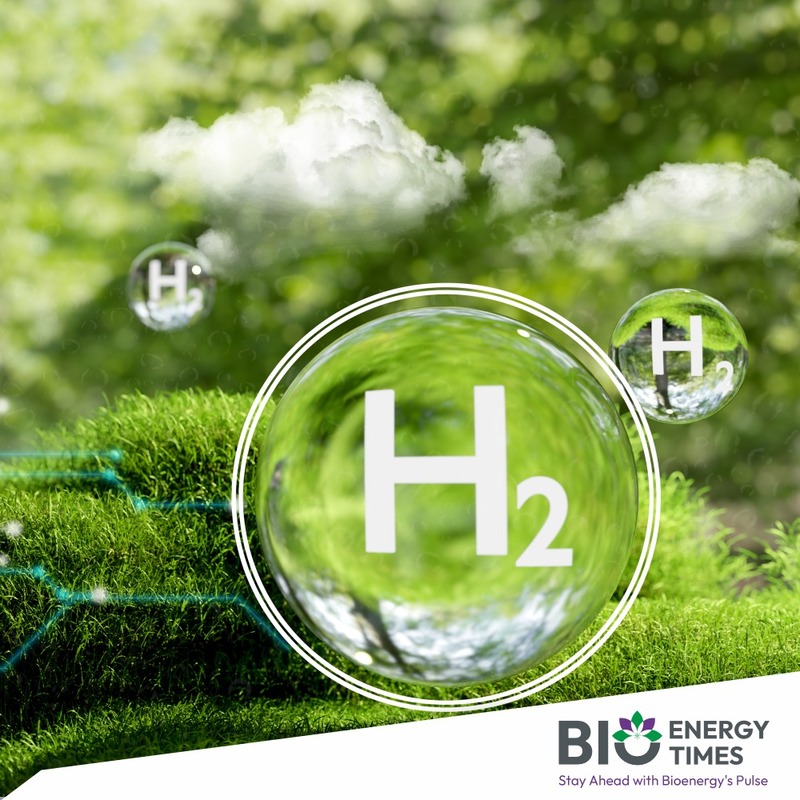
New Delhi: Gujarat is emerging as one of India’s key centres for renewable hydrogen, supported by its large refinery and ammonia industries, strong solar and wind resources, ports and state incentives. However, most large-scale projects in the state are still at the feasibility stage, according to a report by S&P Global, ANI reported.
The report, titled “Gujarat green hydrogen: Turning an ambition into reality”, said Gujarat has several advantages that could support the development of a large renewable hydrogen industry over the longer term.

S&P Global said India is emerging as an important player in the renewable hydrogen industry, with Gujarat particularly well placed because of its existing industrial and energy infrastructure.
About 40 per cent of India’s refinery capacity and nearly 30 per cent of its ammonia capacity are located in Gujarat, according to the report. The state also has almost 50 GW of combined solar and wind capacity, while at least 40 per cent of India’s maritime trade enters the country through Gujarat’s ports.
The combination of industrial demand, renewable energy and port infrastructure could provide Gujarat with a base for producing, transporting and exporting hydrogen.
The Gujarat Energy and Petrochemicals Department finalised the state’s hydrogen strategy in December 2025, setting production targets and offering financial support for initial projects.
Under the policy, the first 500 MW of electrolyser capacity commissioned in Gujarat will be eligible for various financial incentives. These include capital subsidies for eligible electrolyser components, battery storage, oxygen collection and water desalination facilities.
The state has also introduced measures aimed at increasing demand for hydrogen. These include subsidies for hydrogen refuelling stations, hydrogen-powered buses and heavy-duty vehicles, along with reimbursement for renewable hydrogen used in industrial applications and hydrogen blended into the natural gas network.
Gujarat has set a target of producing 3 million metric tonnes of renewable hydrogen annually by 2035, the highest among the Indian states compared by S&P Global. However, the report described the target as “highly ambitious”.
Despite the policy support, much of Gujarat’s planned capacity remains at an early stage. The state has the highest number of projects in advanced stages among Indian states, but Andhra Pradesh and Odisha have larger capacities in advanced-stage projects.
S&P Global said large-scale projects in Gujarat are still being assessed for feasibility, although recent support under India’s Strategic Interventions for Green Hydrogen Transition (SIGHT) programme could help them move forward.
At the national level, the government’s National Green Hydrogen Mission aims to produce 5 million metric tonnes of renewable hydrogen annually by 2030. The SIGHT programme has received an initial allocation of Rs 170 billion for projects across the hydrogen value chain.
India is also gaining a larger role in international hydrogen trade. Indian developers accounted for 40 per cent of the volume covered by trade-related renewable hydrogen and derivative offtake agreements signed in 2024 and 2025. Their share increased to 80 per cent of such deals signed so far in 2026, according to the report.
Gujarat’s location on India’s west coast could further support exports to European markets, particularly through ammonia. However, S&P Global noted that competition from the Middle East and China means continued support from the state and central governments will be important for maintaining the state’s export competitiveness.
The report said Gujarat’s combination of industrial demand, renewable energy resources, ports, transmission infrastructure and policy support could help developers establish renewable hydrogen projects and benefit from growing international demand, ANI stated.