

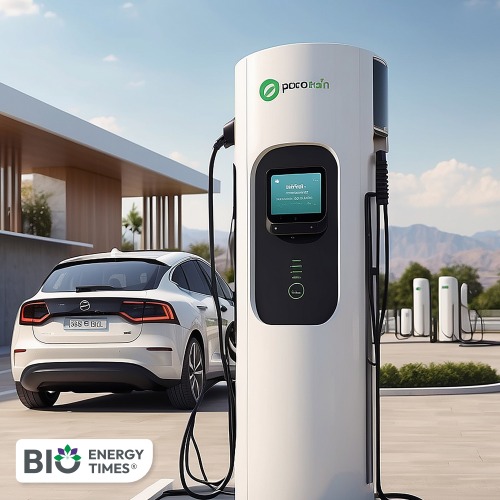
India’s mobility story is clearly changing, and the shift is visible on the roads as much as in buyer conversations. What used to be talked about mainly in terms of fuel efficiency or regulations has now become part of how people look at owning a car. Electric vehicles, hybrids, and other cleaner options are no longer seen as niche. They are steadily being accepted by premium and luxury buyers too. This is slowly reshaping how the segment looks at performance, comfort, and long-term value.
For a long time, luxury cars were evaluated based on their driving performance, exterior design, and brand identity. Those factors still matter, but buyers are weighing a few more things now. Questions around fuel use, emissions and how future-ready a vehicle is have started to come up more often, even in the premium segment. This change is not just based on general observation. EVs, hybrids and CNG vehicles together now account for close to 30% of car sales in FY26, showing that buyers are gradually moving towards cleaner mobility choices.

EV sales in India have increased over the past year, with FY26 reflecting stronger adoption. What stands out is that this growth is not restricted to entry-level cars. It is also visible in the premium and luxury segments of the market. Luxury carmakers are steadily adding
more electric models to their range, without taking away from the comfort, performance or features their buyers are used to. Because of this, EVs are no longer seen as a separate category and are beginning to blend in with the rest of the lineup.
Luxury carmakers are clearly changing the way they build their portfolios. Along with traditional models, there’s now much more focus on adding electric and hybrid options. Recent launches point in that direction, as brands continue to add cleaner options to what they offer. It feels less like a temporary shift and more like something they are settling into for the long run. One clear shift is in how buyers now define luxury. Earlier, it was mostly tied to status and achievement.
That hasn’t gone away, but there is a shift in how people want to present their choices. There is more thought going into what a purchase says about them. Choosing cleaner mobility is slowly becoming part of that, shaping how luxury is seen today. The move towards greener options is not playing out the same way for everyone. Interest in new luxury EVs is rising, but buyers are still thinking through costs, charging convenience and how fast things are changing in this space. In between these considerations, the pre-owned luxury market is turning into a more practical option for many.
Confidence in the pre-owned market has grown over the years. With better checks in place, clearer details about a car’s condition and history, and more flexible financing, the buying process feels far more straightforward than it used to. Because of this, more people are comfortable considering pre-owned luxury cars, especially when they come with premium features, solid performance and, in some cases,
options that align with cleaner mobility.
As more electric and hybrid models are sold in the luxury segment, some of them will begin to show up in the pre-owned market over time. That will open up more options for buyers who are curious about cleaner mobility but are not ready to pay the price of a new vehicle. It also makes the shift feel more within reach for a larger set of customers.
Policy changes are also shaping how this space is moving. Stricter emission norms, incentives for cleaner cars, and the realities of daily city driving are all shaping this change. In many cities, worsening air quality and traffic are hard to ignore, and that’s slowly pushing both automakers and buyers toward cleaner options.
Luxury car buyers have often been quick to try new technology, and that trend is visible here too. A lot of buyers are willing to try EVs and hybrids early, and that in turn makes others more comfortable considering them. As charging becomes more convenient and batteries get better, interest is likely to grow further.
Shifting to greener options does not really take away from what people expect in a luxury car. If anything, it feels a bit different in a way that many end up liking. Electric vehicles, for example, feel smooth and quiet on the road, with quick pickup and an easy drive. Even with updated designs and newer in-car technology, these cars still deliver the comfort and refinement buyers expect.
Looking ahead, the connection between green mobility and luxury is likely to become even more noticeable. Buyers will have more options to choose from, and carmakers will keep expanding their range of cleaner models. Buyers will get more options going forward, while carmakers keep widening their range of cleaner models. Over time, this change may show up not just in the cars people drive, but also in
how they are built, owned and resold.
This shift is also creating more scope for growth in the pre-owned luxury segment. As cars change faster and buyers become more conscious about both cost and impact, many are leaning towards options that offer a better balance of the two. In that sense, pre-owned vehicles are likely to become a more regular part of how people approach luxury car ownership.
Put simply, the move towards green mobility is starting to influence how demand is shaping up in the luxury car market. Buyers today are weighing both aspiration and responsibility when they make a purchase. There’s a gradual shift toward choices where cleaner technology blends naturally with luxury, whether through new EVs or a growing pre-owned market.
For buyers, this shift has made things easier. The choice is no longer about picking one over the other, and it’s now possible to enjoy a luxury car while still being mindful of the choices.













