

Hyderabad: A shortage of cooking gas cylinders is affecting orphanages and old-age homes in Telangana, forcing several institutions to shift to traditional wood-fired stoves to prepare meals for children and elderly residents, ETV Bharat reported.
Administrators say the situation has made daily cooking difficult and raised concerns about safety, rising costs and the well-being of vulnerable residents who depend on these facilities for regular meals.

Under the Essential Commodities Act, priority supply of LPG cylinders is expected to be given to hospitals, educational institutions and welfare homes. However, several registered institutions in different districts have reported delays or disruption in gas supplies.
One such case is the Mallikamba Mano Vikasa Kendra in Hanumakonda, where more than 100 children with intellectual disabilities live and study. With LPG cylinders unavailable, the staff has been forced to cook meals outside using wood stoves.
Administrator Ramaleela said the institution usually provides three meals a day, but due to the shortage it has stopped preparing breakfast and now cooks lunch earlier to serve the children.
A similar situation has been reported at the Sahurdaya Old Age Home in Kazipet, which houses around 80 elderly residents. Administrators Yakubi and Chotu said both rice and curry are now being cooked on wood fires because LPG cylinders are unavailable. They added that firewood is being brought from Illanda village, nearly 30 km away, as local prices have increased sharply.
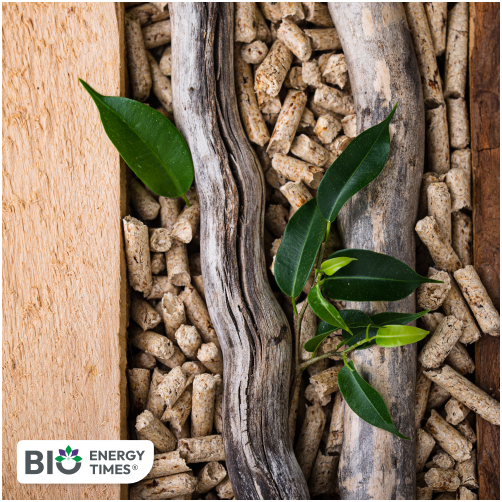
Meanwhile, biomass pellets and briquettes are emerging as an alternative fuel source in several parts of the state. Made from agricultural residues such as cotton stalks, the fuel is being promoted as a cheaper substitute for LPG.
In Adilabad district, entrepreneur Sushil Sharma has set up a biomass briquette and pellet manufacturing unit that collects cotton stalks from farmers and converts them into fuel for industrial use. He said that earlier most of his customers were dairy farms and pharmaceutical companies, but restaurants and commercial kitchens have recently started enquiring about pellet-based fuel due to the gas shortage.
Industry experts say biomass pellets are cleaner and more economical compared with LPG. One tonne of briquettes or pellets can generate heat energy roughly equivalent to about 40 LPG cylinders.
The fuel is also relatively affordable, with briquettes priced at around Rs 8–10 per kg and pellets sold between Rs 10 and Rs 15 per kg. Special biomass stoves designed for households and commercial kitchens are also available, allowing users to control the flame and cooking temperature.
Such stoves have already gained popularity in rural areas of states like Maharashtra, Gujarat, Madhya Pradesh and Rajasthan. Experts believe that if LPG supply disruptions continue, biomass pellets could become an important alternative cooking fuel while also providing farmers with an additional source of income from agricultural waste.













