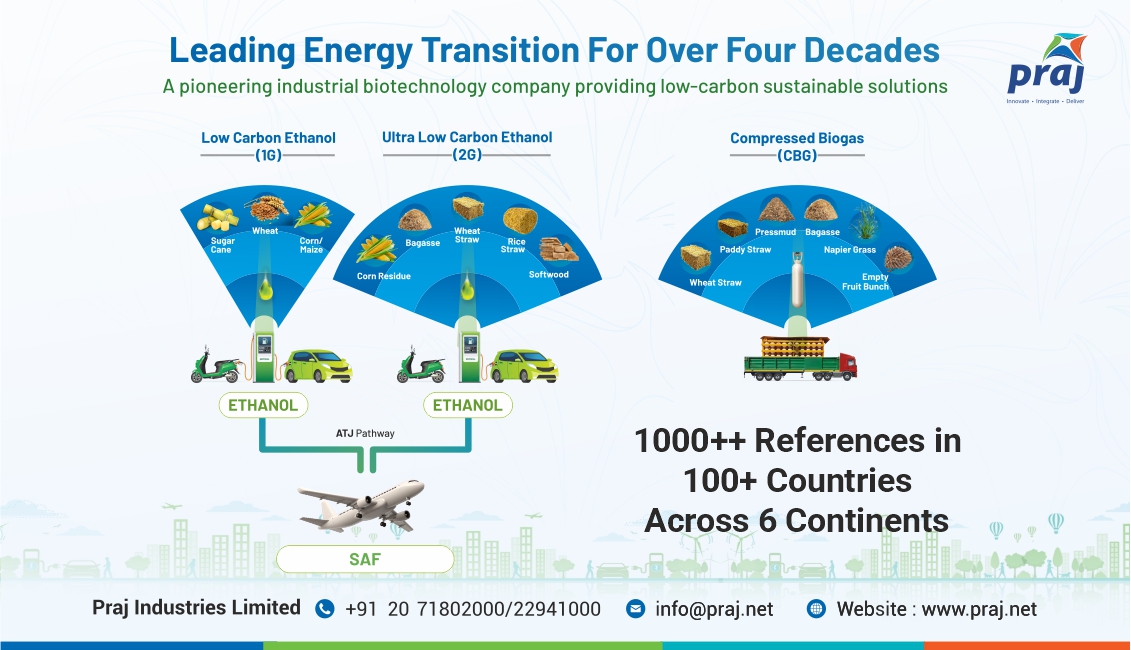


Lucknow: The Uttar Pradesh government is promoting the commercial use of agricultural residue by linking stubble collection with compressed biogas (CBG) production, aiming to provide additional income to farmers while reducing crop waste and air pollution, The Times of India reported.
A government spokesperson said the state was shifting its approach from stubble burning to the scientific and commercial utilisation of crop residue. Stubble collected from farms is supplied to biogas plants for conversion into clean energy, while the organic by-product generated during processing is returned to farmers for use as manure.

Uttar Pradesh currently has 40 operational biogas plants, with plans to establish another 78 facilities, the government said.
The government cited the example of Yogesh, a farmer from Karamatkheda village in Barabanki district’s Harkh block, who cultivates wheat, paddy and potato. Earlier, managing crop residue after harvesting was a major challenge for him, as burning it could attract penalties, while retaining it in the fields delayed preparations for the next crop. Under the new system, stubble is collected soon after harvesting, allowing farmers to prepare their fields for subsequent crops on time.
The crop residue management model was developed by the Gates Foundation’s Technical Support Unit (TSU) under the guidance of the state agriculture department. Farmer Producer Organisations (FPOs) have also been involved in collecting, transporting and supplying agricultural residue to biogas plants.
CBG plants support soil health and reduce pollution
According to government officials, the initiative offers environmental and agricultural benefits beyond reducing air pollution caused by stubble burning. Preventing the burning of crop residue helps protect beneficial soil microorganisms and maintain organic matter in the soil.
The manure produced during biogas processing also improves soil structure, moisture retention and nutrient availability, officials said.
Barabanki Deputy Director of Agriculture Umesh Kumar Sah said CBG plants located on Deva Road and at Haidergarh had helped extend the programme to Harkh, Haidergarh, Fatehpur and Ramnagar blocks. Crop residue collected from these areas is being used for biogas production, while the processed material is supplied to farmers as organic manure.
Creates employment opportunities
The initiative has also generated employment in crop residue collection, transportation and biogas plant operations. Around 10–12 workers are engaged in field-level collection activities, while approximately 2,000 people are employed at the biogas facility, officials said.
Agriculture Director TM Tripathi said awareness about sustainable stubble management had increased in accordance with the expectations of the Supreme Court and the National Green Tribunal.With the expansion of CBG infrastructure, the government aims to transform agricultural residue from a disposal challenge into a source of additional farmer income, employment generation and renewable energy.