
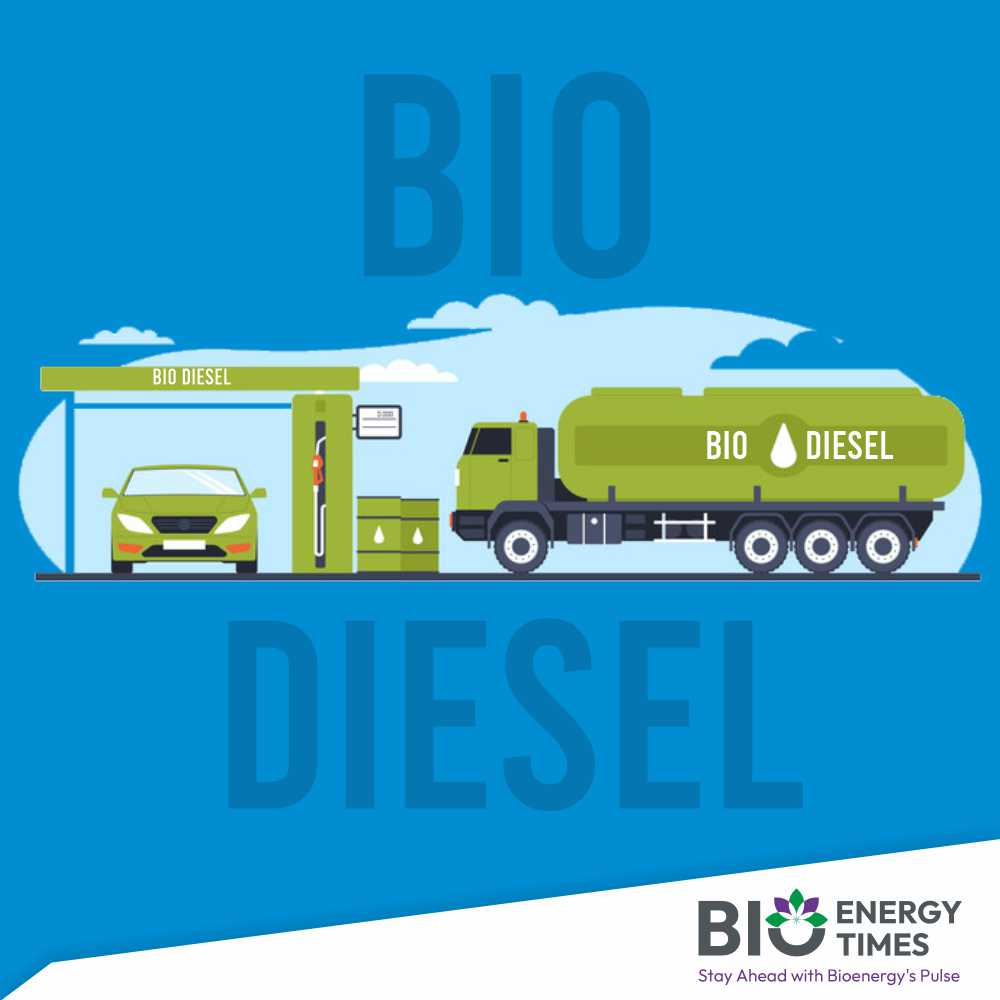
Malaysia is set to strengthen its bioenergy programme with the nationwide implementation of the B15 biodiesel mandate from June 1, while assuring that the increased use of palm oil for renewable fuel production will not impact the country’s export commitments.
Plantation and Commodities Minister Noraini Ahmad said the expansion of bioenergy production through higher biodiesel blending is part of the government’s strategy to enhance energy security, reduce dependence on imported fossil fuels and accelerate the transition toward cleaner energy sources, The Vibes reported.

Speaking at a media briefing on the B15 Biodiesel Implementation, Noraini said Malaysia’s annual palm oil production of around 20 million metric tonnes is sufficient to support both bioenergy requirements and export demand.
Of the total output, about 16 million metric tonnes are exported, while the remaining four million metric tonnes are consumed domestically. She noted that only around 0.8 million metric tonnes would be needed annually for the B15 biodiesel programme, leaving export volumes unaffected.
According to the minister, studies conducted by the government and consultations with industry stakeholders confirmed that the B15 target could be achieved without reducing palm oil exports or requiring major upgrades to existing facilities.
The Cabinet and the National Economic Action Council approved the increase in biodiesel blending rates as part of efforts to strengthen the country’s renewable energy capacity and reduce exposure to fluctuations in global fuel markets, particularly amid geopolitical tensions in West Asia.
Under the new mandate, diesel sold in the transport sector will contain 15 percent palm-based biodiesel and 85 percent petroleum diesel. Malaysia currently operates under a B10 biodiesel programme for transportation fuels.
Noraini also indicated that the government is laying the groundwork for future expansion of its bioenergy infrastructure. An allocation of RM40 million has already been approved for the first phase of facility upgrades in Sarawak, while additional funding has been requested from the Ministry of Finance for a second phase of improvements.
Among the facilities identified for upgrades is the Klang Valley Distribution Terminal, which is expected to play a key role in supporting higher biodiesel blending rates in the future.
Malaysia launched its National Biodiesel Programme in 2011 with the introduction of the B5 mandate and gradually increased the blend to B7 in 2014 before expanding to B10 and B20 between 2019 and 2020.
While the transport sector currently uses B10 fuel, the industrial sector continues to operate under the B7 blend. Under the B15 programme, biodiesel content will increase significantly, boosting domestic demand for palm oil.
Government projections show annual crude palm oil consumption for bioenergy production rising from 0.534 million metric tonnes under the current B10 programme to 0.801 million metric tonnes under B15. A future nationwide B20 rollout could increase annual consumption to approximately 1.068 million metric tonnes.
Malaysia is ultimately targeting nationwide implementation of the B30 biodiesel mandate for land transportation by 2030, in line with its National Agricommodity Policy, National Energy Policy and broader low-carbon development goals.
Officials believe the expansion of the bioenergy sector will not only strengthen national energy security but also create stronger domestic demand for palm oil, benefiting smallholders and stakeholders across the country’s palm oil industry.