
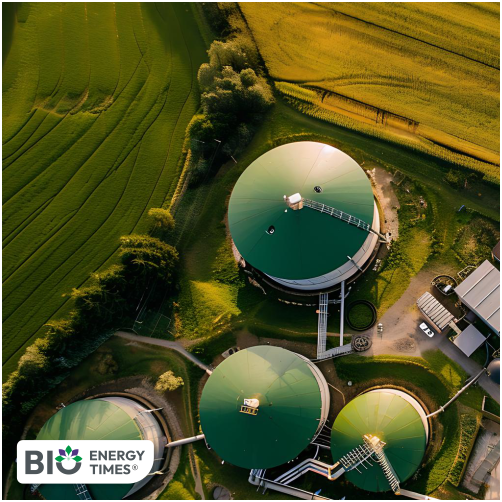
Chennai: A study by Anna University has found that adopting advanced sludge treatment technology at sewage treatment plants (STPs) could significantly increase biogas production and improve the reuse of treated sewage sludge.
The research showed that the technology could raise biogas generation by nearly 28% while also reducing health and environmental risks linked to untreated sludge, The Hindu reported.

The study examined sewage sludge from Chennai Metrowater’s treatment facilities and found that heavy metal concentrations remained within international limits, making the sludge suitable for reuse after treatment. However, untreated sludge samples showed high microbial contamination, including the presence of salmonella, with pathogen levels exceeding prescribed standards and limiting immediate reuse.
Researchers noted that managing sewage sludge and ensuring safe disposal are becoming increasingly important challenges due to constraints such as limited land availability and inadequate treatment infrastructure.
According to the findings, once pathogen-related concerns are addressed, treated sludge could be reused in multiple applications including land restoration, urban forestry and soil rehabilitation programmes.
The study, funded by the Central Public Health and Environmental Engineering Organisation under the Union Ministry of Housing and Urban Affairs, involved analysis of sludge samples collected from 12 of Chennai Metrowater’s sewage treatment plants over a period of nearly 18 months.
Chennai currently treats around 650 million litres of sewage each day through 20 sewage treatment plants and generates nearly 94 tonnes of dry sludge daily. Eleven of these facilities currently produce around 24,500 cubic metres of biogas.
S. Kanmani, principal investigator of the study and Head of the Department of Civil Engineering and director-in-charge of the Centre for Climate Change and Disaster Management at Anna University, said sewage treatment plants need to move beyond their traditional role of pollution control and place greater emphasis on reusing treated sludge or biosolids.
The study demonstrated that sustainable thermal-based sludge stabilisation and resource recovery technology could be adapted for Chennai’s treatment plants. With suitable modifications, the technology could improve both biogas generation and biosolids utilisation.
Researchers estimated that implementing the treatment process could increase biogas output to as much as 31,365 cubic metres per plant. The process also helped eliminate faecal coliform and substantially reduce salmonella levels, making treated biosolids more suitable for reuse.
Saranya Kuppusamy, co-principal investigator and visiting professor in the Department of Civil Engineering at Anna University, said the technology could reduce sludge disposal volumes by around 60%, while supporting renewable energy generation and improving biosolid quality for land restoration and landscaping.
The study also noted that treated biosolids could be co-composted with green waste to enhance soil fertility. Anna University is currently exploring pilot projects with industry partner Larsen and Toubro and assessing opportunities to expand implementation across the State.