
The Philippines’ Maritime Industry Authority (MARINA) is preparing permanent regulations for transporting electric vehicles (EVs) and hybrid electric vehicles (HEVs) on passenger ships and cargo vessels, following concerns over fire risks, Manila Bulletin reported.
MARINA Administrator and newly appointed Transportation Undersecretary Markus Lacanilao said on Wednesday, November 25, that he plans to consult other government agencies before finalising the rules. He will discuss the technical requirements with the Philippine Coast Guard (PCG) and the Bureau of Fire Protection (BFP) to ensure that the proposed measures prioritise safety.

Lacanilao said a complete ban on carrying electric and hybrid vehicles on ships was not under consideration. Some shipping companies have independently stopped accepting these vehicles following the fatal fire aboard the vessel MV June Aster in September, which claimed 77 lives.
He said the focus should be on establishing safety requirements rather than restricting the movement of electric vehicles, noting that a ban could create difficulties for the growing EV industry.
The investigation into the MV June Aster fire will be an important part of the regulatory process. An electric vehicle on board was initially suspected of causing the blaze. However, the BFP later said a chemical reaction involving volatile substances may have triggered the fire.
MARINA intends to examine the incident further to establish whether an electric vehicle was involved and use the findings while preparing its permanent regulations.
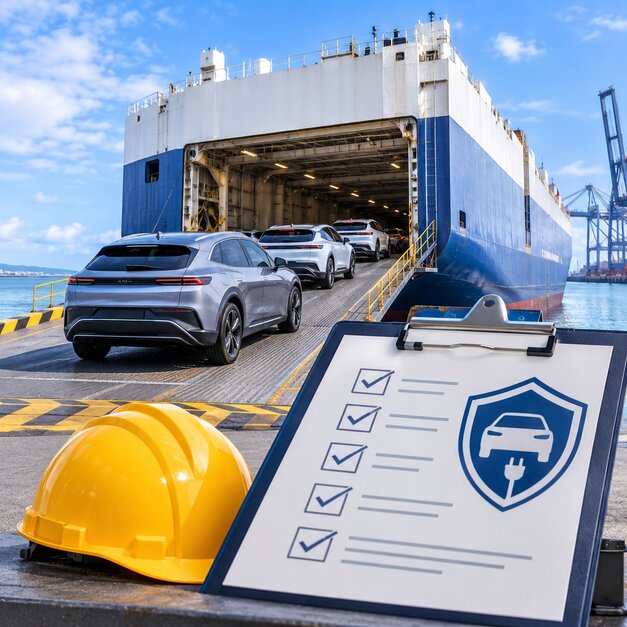
Before Lacanilao’s appointment, MARINA issued interim safety guidelines under Advisory No. 2026-64 for carrying EVs and HEVs on vessels. The guidelines require vehicle owners or drivers to declare the type of vehicle, its battery charge level and any known battery defects, physical damage or unusual conditions before boarding.
Shipowners and operators must also introduce a checklist to assess vehicles before loading and record whether they are accepted or rejected. The inspection covers warning signs such as fire, overheating, smoke, unusual smells, sparks, hissing sounds, vehicle modifications and damage caused by collisions or other incidents.
MARINA said the advisory would remain in place as interim guidance until a permanent regulatory measure is developed and issued.
Meanwhile, Lacanilao identified improving the welfare of Filipino seafarers and speeding up administrative procedures as another immediate priority. He said the authority would work to remove delays and corruption in the process of issuing seafarer identity cards (SIDs), which confirm a person’s status as a seafarer.
He said some seafarers face difficulties obtaining the cards because of delays and the involvement of intermediaries, commonly known as fixers. MARINA intends to make the process faster and more transparent.
Lacanilao also plans to extend the validity of SIDs from the existing five years to at least 10 years to reduce the frequency of renewals and the difficulties faced by seafarers.