
Kuala Lumpur: Malaysia has long viewed oil palm biomass as a major opportunity for creating new industries, generating energy and developing value-added products. However, despite the availability of large volumes of biomass and advances in technology, converting that potential into a dependable and commercially viable industry remains a challenge.
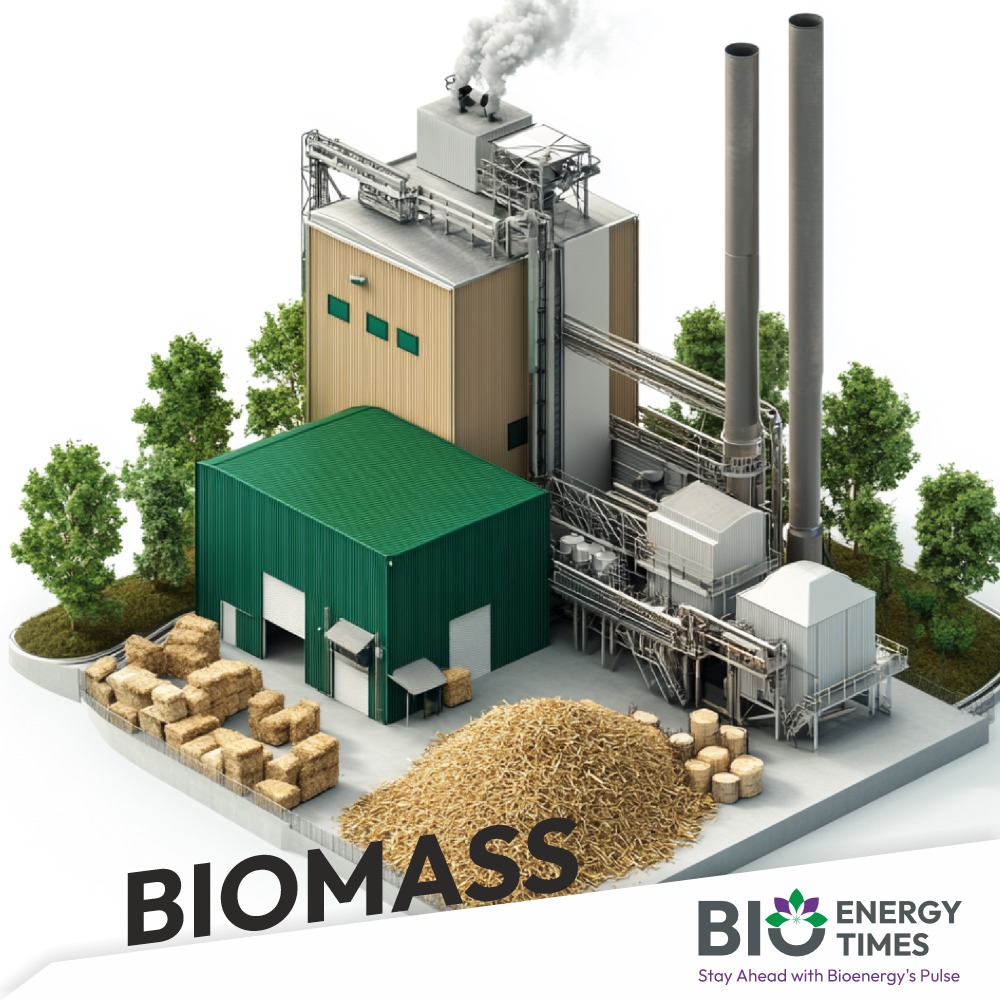
Oil palm plantations and mills generate a wide range of biomass, including fronds from harvesting, empty fruit bunches (EFB), mesocarp fibre, palm kernel shells, palm oil mill effluent (POME) and, during replanting, trunks. While the scale of these resources presents significant opportunities, the amount of biomass generated does not necessarily represent the volume that can be commercially secured.

Malaysia has explored a range of applications for oil palm biomass over the years, including power generation, pellets, biogas, biochar, compost, fibre-based products, biofuels and advanced biomaterials. The key challenge now is to establish how much feedstock can be obtained consistently, sustainably and at a cost that supports viable businesses.
Some biomass streams are already being utilised. Mesocarp fibre is commonly used as fuel for mill boilers, while palm kernel shells have established markets. EFB and fronds are also returned to plantations in significant quantities for nutrient recycling, moisture conservation and maintaining organic matter in the soil. POME, meanwhile, can be treated or used for biogas production.
An industry roundtable recently estimated Malaysia’s annual oil palm biomass generation at about 94.7 million tonnes. However, a substantial portion of this volume is already utilised or remains within plantations.
Palm kernel shells and mesocarp fibre are largely committed to existing uses, while only part of the EFB stream may be readily available for other applications because considerable quantities are returned to plantations.
This highlights the difference between total biomass generation and commercially available feedstock. Biomass that appears to be waste can also acquire a market value once a buyer is willing to pay for it.
Feedstock owners have to bear collection, handling and transportation costs and therefore require an appropriate return. This can create challenges for investors when competing demand pushes up the price of biomass after a project has been planned around an assumed long-term feedstock cost.
The physical characteristics of biomass add another layer of complexity. Unlike solar energy, biomass is a material that requires collection, transportation, storage and continuous handling. It can deteriorate, ferment, absorb moisture and create operational difficulties.
EFB, for instance, is wet and bulky, while fronds and trunks are distributed across plantation areas. Variations in quality, rainfall, storage requirements, drying and machinery can all influence costs.
As a result, the success of a pilot project does not necessarily establish commercial viability. A project must demonstrate that feedstock can be supplied continuously, meet required specifications, customers will consistently purchase the output and operating and maintenance costs remain manageable.
For investors and lenders, reliable feedstock supply is therefore a fundamental requirement. Projects need greater certainty over whether sufficient biomass will remain available over five or 10 years, whether suppliers can redirect their material to competing users and how feedstock prices could change as demand increases.
Bankable projects will require multi-year supply agreements, clearly defined quality specifications, transparent pricing mechanisms and provisions for periodic price reviews.
Such arrangements need to provide reasonable certainty to investors while ensuring that biomass owners receive fair value for their resources. Long-term commercial relationships will be essential if projects are to remain viable beyond their initial development phase.
Another challenge is moving beyond technological feasibility to actual project execution. A project may have access to feedstock and proven technology and still fail to reach commercial operation if other elements are not in place.
Successful commercialisation also requires land, regulatory approvals, infrastructure, investment commitments, reliable suppliers and customers, along with clear responsibility for coordinating the various components of the project.
Malaysia already has considerable experience and expertise in oil palm biomass. Research institutions, plantation companies, palm oil millers, technology providers, financial institutions and policymakers have spent years studying its potential.
Industry conferences, consultations, research studies and technology demonstrations have helped build a substantial knowledge base. The next challenge is to convert this accumulated knowledge and individual opportunities into a coordinated and scalable biomass industry.