

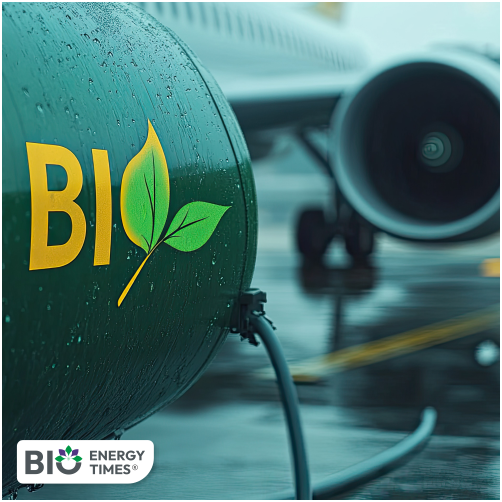
Airlines across the European Union have sharply increased their use of sustainable aviation fuel (SAF), tripling consumption within a year to meet the bloc’s 2 per cent blending mandate that came into force in 2025.
The surge comes despite earlier concerns from carriers that the target would be difficult to achieve. Industry data now suggests airlines have not only met but likely exceeded the requirement, driven by regulatory pressure and shifting fuel economics, Farm Progress reported.

A key factor behind the change has been rising conventional jet fuel prices amid disruptions linked to the Strait of Hormuz during the ongoing Iran conflict. While jet fuel prices have nearly doubled, SAF prices have remained relatively stable, narrowing the earlier wide price gap between the two.
Europe currently produces SAF largely from used cooking oil and waste animal fats, with a significant share of feedstock imported from countries such as China and Malaysia.
The shift has had ripple effects on global markets. In the United States, policy measures including tariffs and tax incentives have restricted imports of Chinese used cooking oil, leading to a redirection of supplies towards Europe.
As a result, U.S. producers are increasingly relying on domestic feedstocks such as soybean oil, tallow and distillers corn oil. This has pushed domestic vegetable oil prices above global levels, with demand expected to remain firm as producers compete for limited supplies.
The developments highlight how policy changes and geopolitical factors are reshaping fuel markets and accelerating the adoption of alternative energy sources in aviation.