
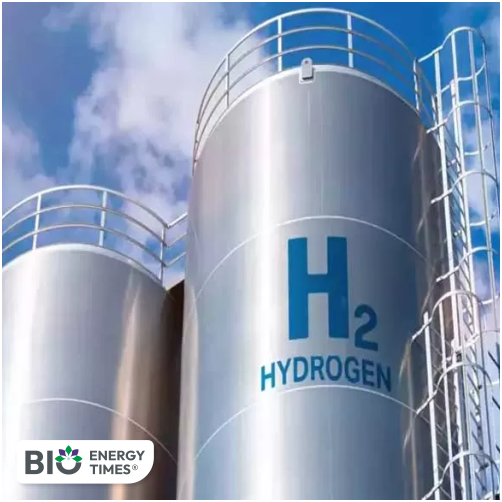
German energy company EWE has started building a 320-megawatt green hydrogen plant in Emden, marking a major step forward for the Clean Hydrogen Coastline project. The move shifts the development from planning to full construction and places it among the biggest green hydrogen projects currently underway in Europe, reports Chemanalyst. News.
Construction began after EWE awarded the civil engineering and building contract to a consortium of three firms—Ludwig Freytag, Gebrüder Neumann, and MBN. All three companies are known for handling large industrial and infrastructure projects, and their appointment is expected to help ensure smooth progress and timely completion.

When the plant begins operating at the end of 2027, it will be one of Germany’s first major electrolysis facilities able to produce significant amounts of green hydrogen. EWE plans to supply this hydrogen directly to industrial customers in the region. The project is expected to help reduce emissions in sectors such as manufacturing, chemicals, and heavy transport, which currently depend on hydrogen made from fossil fuels.
EWE CEO Stefan Döhler said the start of construction is an important milestone. “Moving from planning into real implementation is a major step forward,” he said. He added that choosing three experienced construction partners gives EWE the confidence to move ahead with long-term supply agreements for green hydrogen. According to him, the project’s progress sends a clear message that the industrial hydrogen market is ready to grow.
The Emden plant is part of a wider hydrogen system EWE is developing in northern Germany. This includes a large hydrogen storage facility in Huntorf and a dedicated pipeline link between Wilhelmshaven, Leer, and Emden. These projects support Germany’s goal of building a national hydrogen network to help industries and the energy sector cut emissions.
Döhler also pointed to the importance of government support in helping the hydrogen industry grow. Citing a recent report from the German Federal Audit Office, he said the findings highlight the need to speed up the development of the hydrogen market and improve conditions for producers and customers. He noted that hydrogen can only play its full role in climate protection, energy security, and industrial strength if politicians put in place stable and practical rules, along with targeted financial support.