

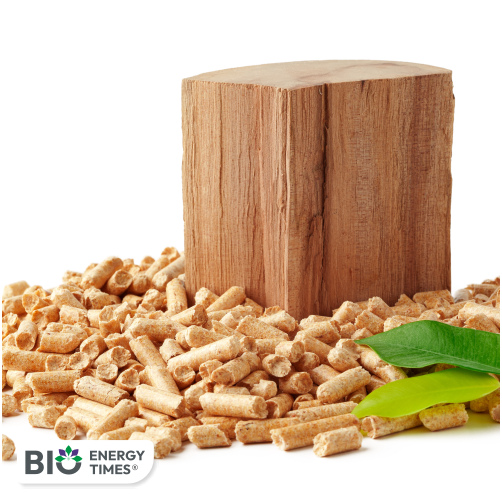
Wood pellet prices in Germany increased for the second consecutive month in October, reaching their highest level since the beginning of the year amid tightening supplies of sawmill by-products used in pellet manufacturing, Bioenergy Insight reported.
The national benchmark price for a six-tonne delivery of ENplus A1 wood pellets rose 2.3% to €464.61 per tonne in October, compared with €454.21 per tonne in September, according to the German Pellet Institute (DEPI). The latest increase followed a sharper 6.2% rise in September, indicating that prices continued to climb, although at a slower pace.

For larger deliveries of 26 tonnes, the national average stood at €448.45 per tonne. Both benchmarks include delivery within a 50-kilometre radius and value-added tax (VAT).
DEPI attributed the increase to tighter availability of wood residues, a key raw material for pellet production. Weak demand for sawn timber has prompted some sawmills to reduce output, limiting the supply of by-products available to pellet manufacturers.
Prices have risen significantly since mid-year. The benchmark for six-tonne deliveries increased from €376.77 per tonne in June to €464.61 in October, a rise of more than 23% in four months.
Regional price differences remained relatively small for six-tonne deliveries. Central Germany recorded the lowest average at €462.84 per tonne, followed by north/east Germany at €464.93 and southern Germany at €466.81.
For 26-tonne deliveries, north/east Germany had the lowest average price at €442.83 per tonne, while southern Germany recorded the highest at €451.23.
Despite the recent increase, DEPI said wood pellet heating remained cheaper than heating oil and natural gas under its October price comparison assumptions.