
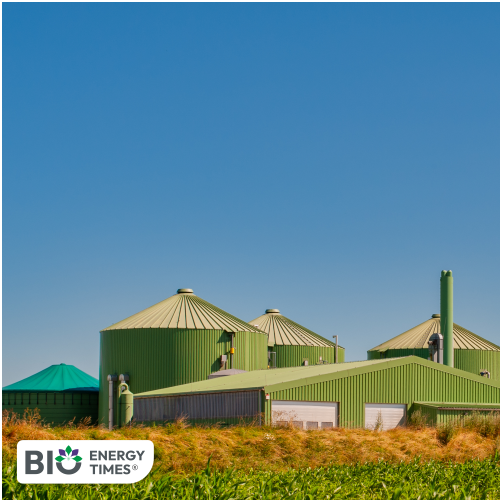
Chennai: The Greater Chennai Corporation is preparing to install biogas plants in its schools as part of an effort to promote clean cooking fuel and educate students on responsible waste management. The plan aims to use food waste generated on school campuses to produce cooking gas in an environmentally friendly way, reports DT Next.
The initiative will mainly target schools that have central kitchens preparing meals for several institutions. Such locations generate large volumes of kitchen waste and can make better use of biogas produced from it. Corporation Commissioner J. Kumaragurubaran said the civic body plans to work with interested non-governmental organisations, individuals and residents’ welfare associations to roll out the project.

Officials said the use of biogas is expected to cut down reliance on LPG cylinders and reduce cooking fuel expenses in schools.
As a trial, the corporation is looking at setting up biogas units at four cloud kitchens where significant amounts of vegetable and food waste are produced every day. These sites would combine composting and biogas facilities and can be developed at a reasonable cost with limited maintenance needs, the commissioner said.
The proposal follows the recent installation of a biogas plant at a Corporation higher secondary school in South Chennai. The 75-kg capacity unit was set up late last month with the support of a local residents’ association and a service organisation at a cost of ₹5.7 lakh. The school has a kitchen that prepares breakfast for about 10 Corporation schools. Linked to a single stove, the plant processes around 15 to 20 kg of food waste daily and generates enough gas to meet part of the cooking demand.
Officials estimate that the system saves one LPG cylinder every two months. Around 250 students directly benefit from the initiative, and the functioning of the plant is also used to raise awareness among students about environmental protection.
A similar facility was established last year at another Corporation school in Adyar with assistance from a residents’ group and an environmental organisation. School authorities said the plant helped save seven LPG cylinders over a 10-month period.
During that time, nearly 3,200 kg of food and wet waste were diverted from disposal, while the biogas produced was used for cooking for close to 270 hours.
In addition to lowering LPG use, biogas plants produce slurry that can be turned into compost. This manure can be used for gardening and small-scale farming within school premises, helping schools create a self-sustaining system that links waste reduction, energy production and environmental learning.