
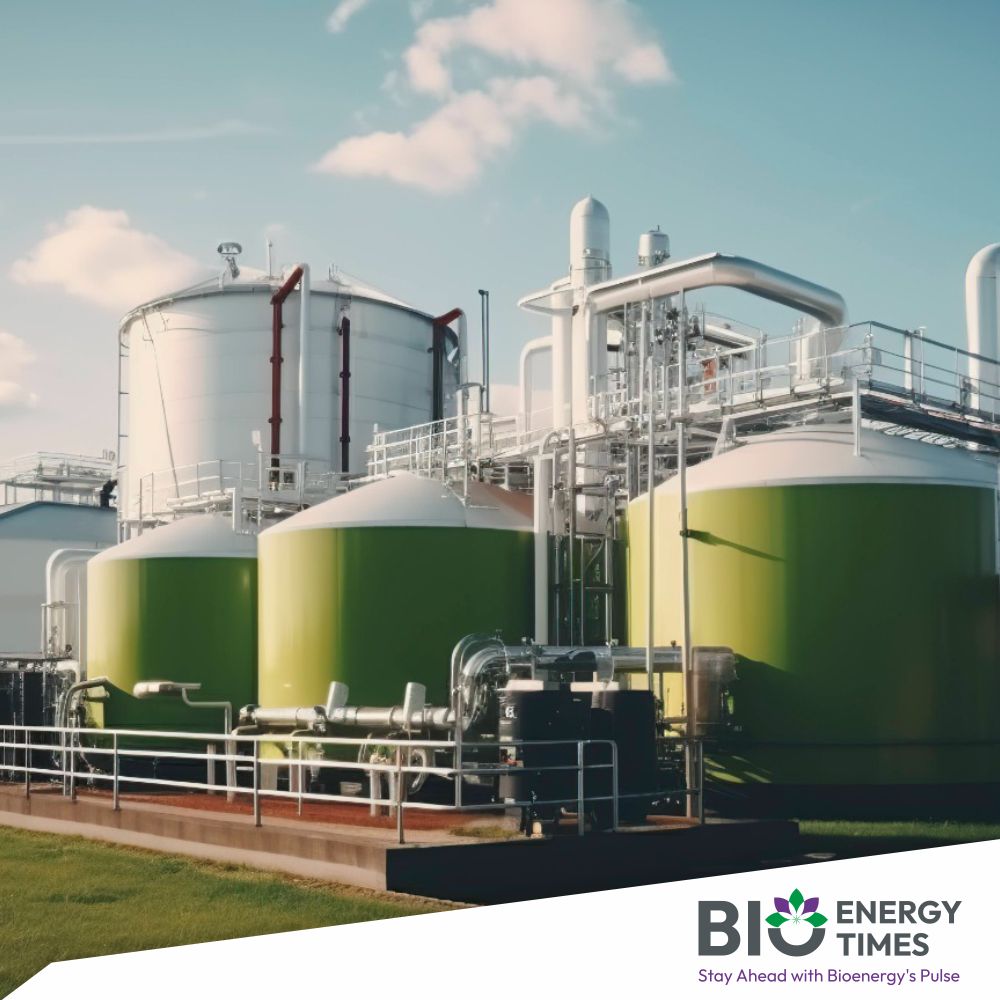
Egypt has taken a step towards cleaner energy by launching its first biogas facility that turns slaughterhouse waste into renewable energy and organic fertiliser, officials said, Bioenergy Insight reported.
The new unit has been set up at the Kafr Shukr slaughterhouse in Qalyubia Governorate. It was inspected on Sunday by Manal Awad, Minister of Local Development and Environment, following its formal inauguration last week.

Awad said the project reflects the government’s efforts to make better use of animal waste by converting it into clean energy and natural fertiliser, while also supporting economic growth and reducing environmental harm.
The pilot facility collects waste from the slaughterhouse and processes it into biogas and organic fertiliser. Officials said the fertiliser can be used in organic farming, especially for export crops where chemical fertilisers are restricted. They added that the initiative supports national goals to boost farm exports, improve water use and enhance the quality of agricultural produce.
The project was implemented by the Bioenergy for Sustainable Development Foundation under the Ministry of Environment. Awad said it marks the first phase of a wider plan to introduce biogas units of different sizes at government-run slaughterhouses across Egypt.
She said the installation of biogas and waste treatment units at slaughterhouses represents a move towards greener public facilities and could serve as a model for similar projects nationwide.
Plans are already under way to expand the programme. A medium-sized biogas unit is expected to be installed at the Khanka slaughterhouse in Qalyubia, while a feasibility study has been completed for a larger facility in New Valley Governorate.
The proposed New Valley plant, estimated to cost EGP 13 million, will process waste from a cattle farm with a capacity of 3,000 animals. Officials said it is expected to generate about EGP 17 million in its first year from the production of organic fertiliser and renewable energy.Authorities said the broader initiative aims to expand the use of bioenergy in Egypt by addressing technical, institutional and financial challenges. It is also expected to create jobs, reduce reliance on butane for energy, and provide a safer alternative to chemical fertilisers.